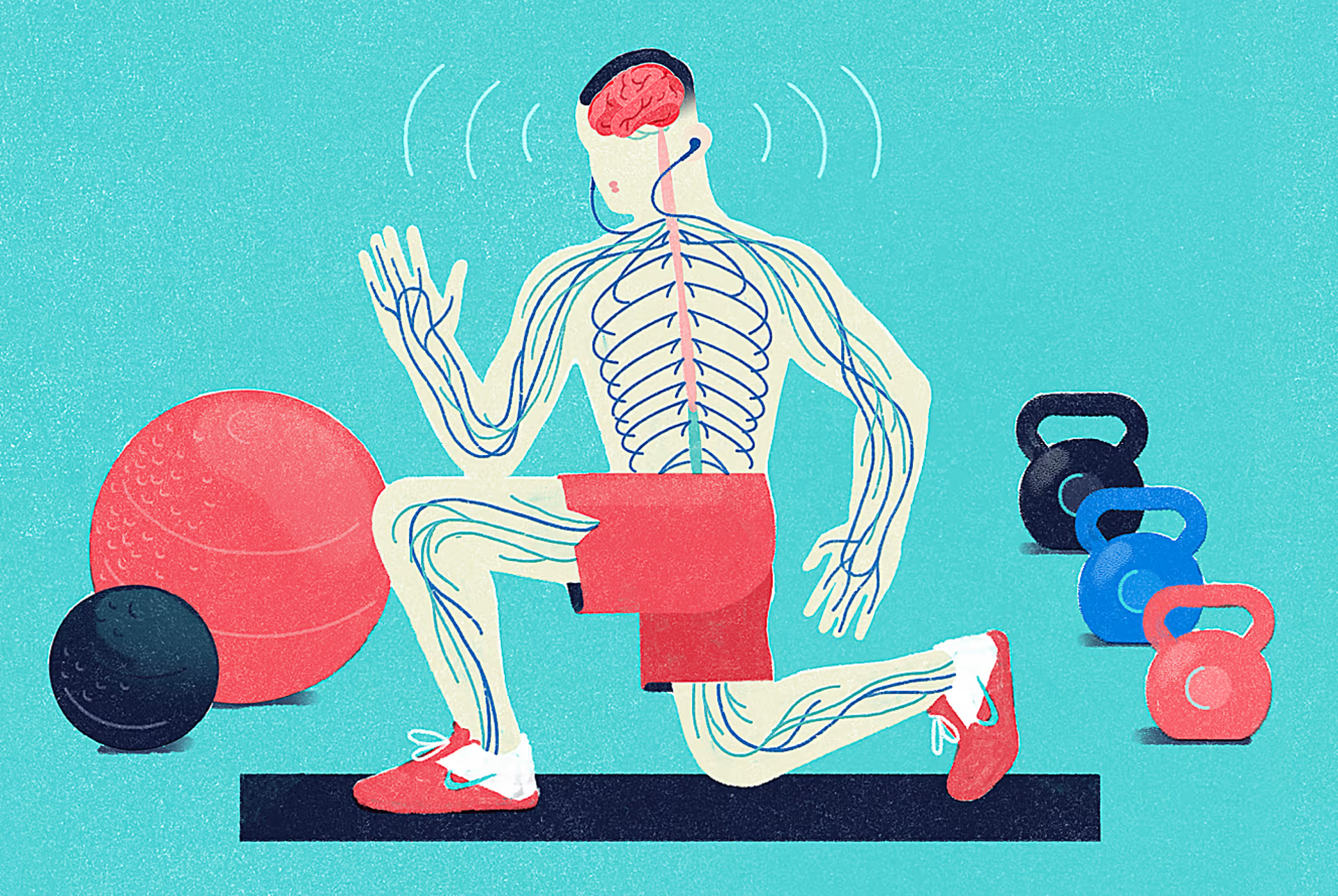
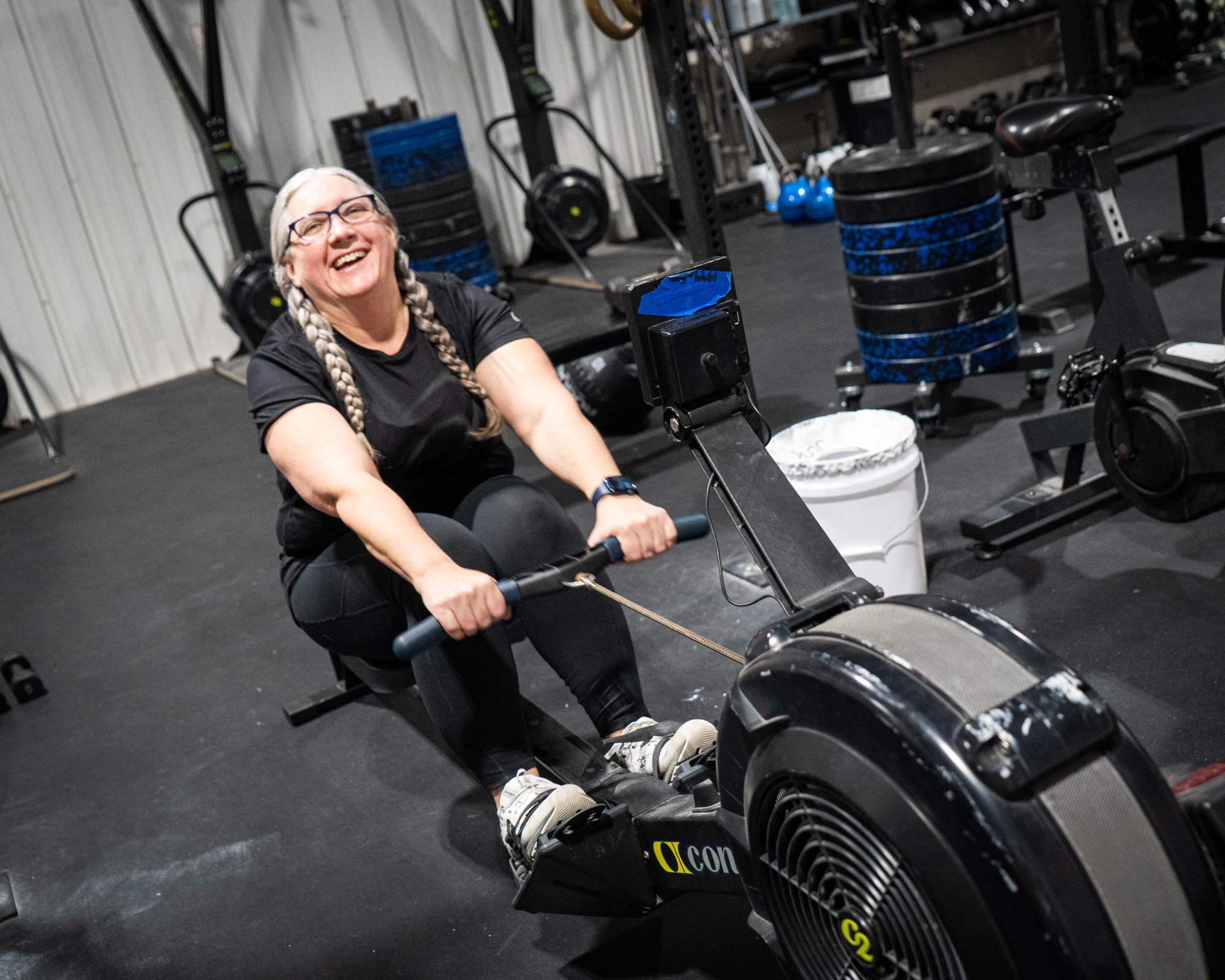
Most people think of exercise as something you do WAY before or even after work — a way to burn calories, build muscle, or blow off steam. But movement doesn’t just change your body… it changes your brain. If you’ve ever felt sharper, calmer, or more energized after a workout, that’s not a coincidence. Movement is one of the most powerful tools we have for improving focus and productivity.
Whether you’re working at a desk, managing a household, or juggling meetings and deadlines, your brain performs better when your body moves.
When you move, your heart rate increases and blood flow improves throughout your body — including your brain. This means more oxygen and nutrients are delivered to the areas responsible for memory, decision-making, and attention.
Exercise also triggers the release of important brain chemicals:
These are the same chemicals targeted by many medications used to treat anxiety and attention disorders. The difference? Movement stimulates them naturally and without side effects.
This is why even a short workout or brisk walk can help you feel mentally “unstuck” when you’re tired or distracted.
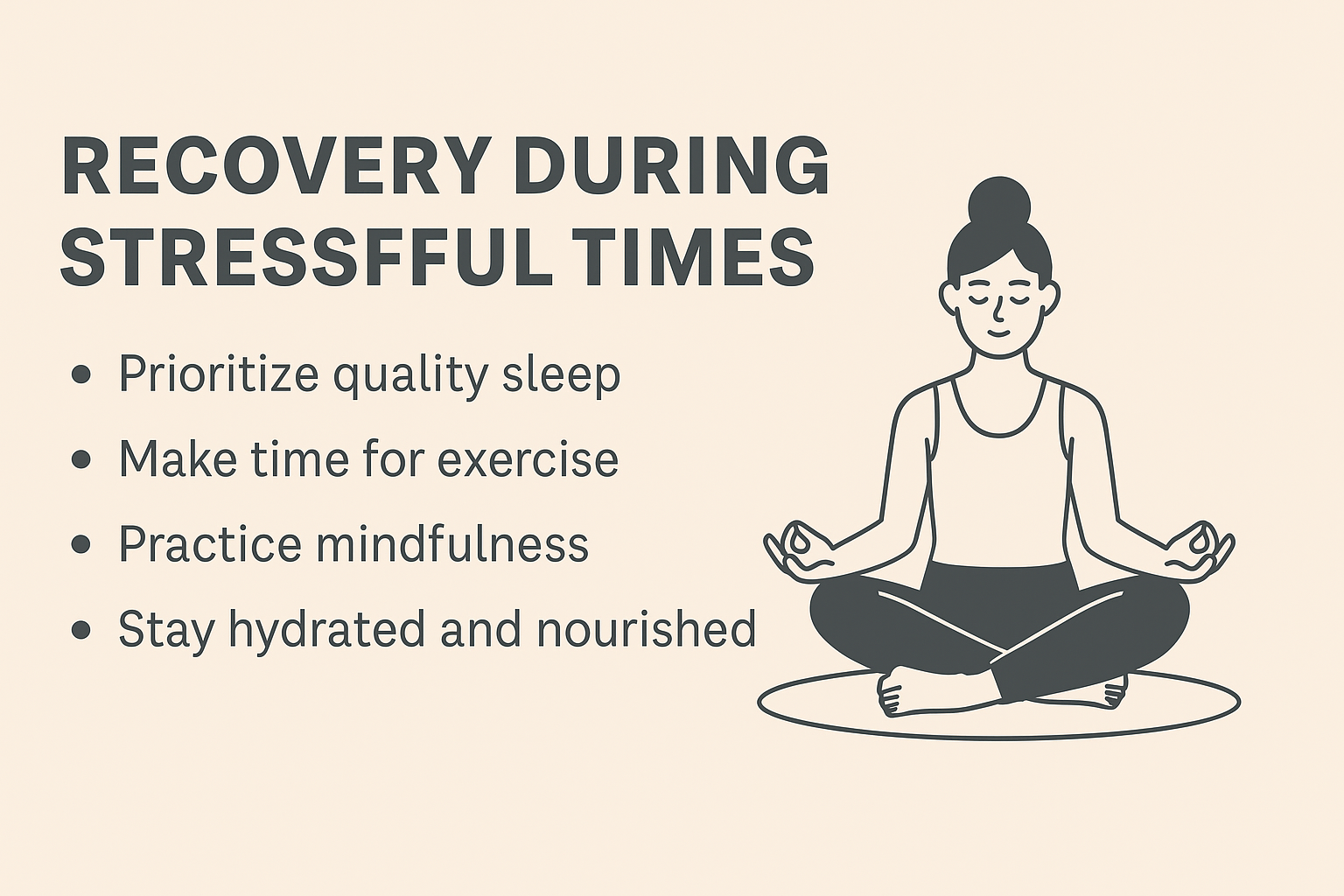
Stress makes it harder to concentrate, remember things, and make good decisions. It puts your nervous system in survival mode instead of problem-solving mode.
Movement helps regulate stress by lowering cortisol levels and giving your body a healthy outlet for built-up tension. It also improves sleep quality, which directly impacts how focused and productive you are the next day.
People who move consistently tend to:
That’s not just good for your health — it’s good for your job, your family, and your overall quality of life.
You don’t need to train like a professional athlete to see mental benefits. In fact, moderate, consistent movement works best for most people.
Studies show that exercise improves:
Ever notice that you solve problems more easily after a workout? That’s because movement helps your brain form new connections and process information more efficiently.
It’s also why many people feel more productive on days they work out — even if the workout “took time” out of their schedule. The quality of their work improves.
We often think being productive means sitting still for longer periods. In reality, the brain works best in cycles of effort and recovery. Long periods of sitting reduce circulation, increase stiffness, and drain mental energy.
Short movement breaks throughout the day can:
Something as simple as:
can restore your ability to focus for the next block of work.
Better focus isn’t just about work emails. Movement helps in everyday situations like:
Movement trains your brain to stay calm under effort — and that carries over into life outside the gym.
You don’t need multiple hour-long workouts every day to see mental benefits. You need regular movement that challenges you just enough to raise your heart rate and engage your muscles.
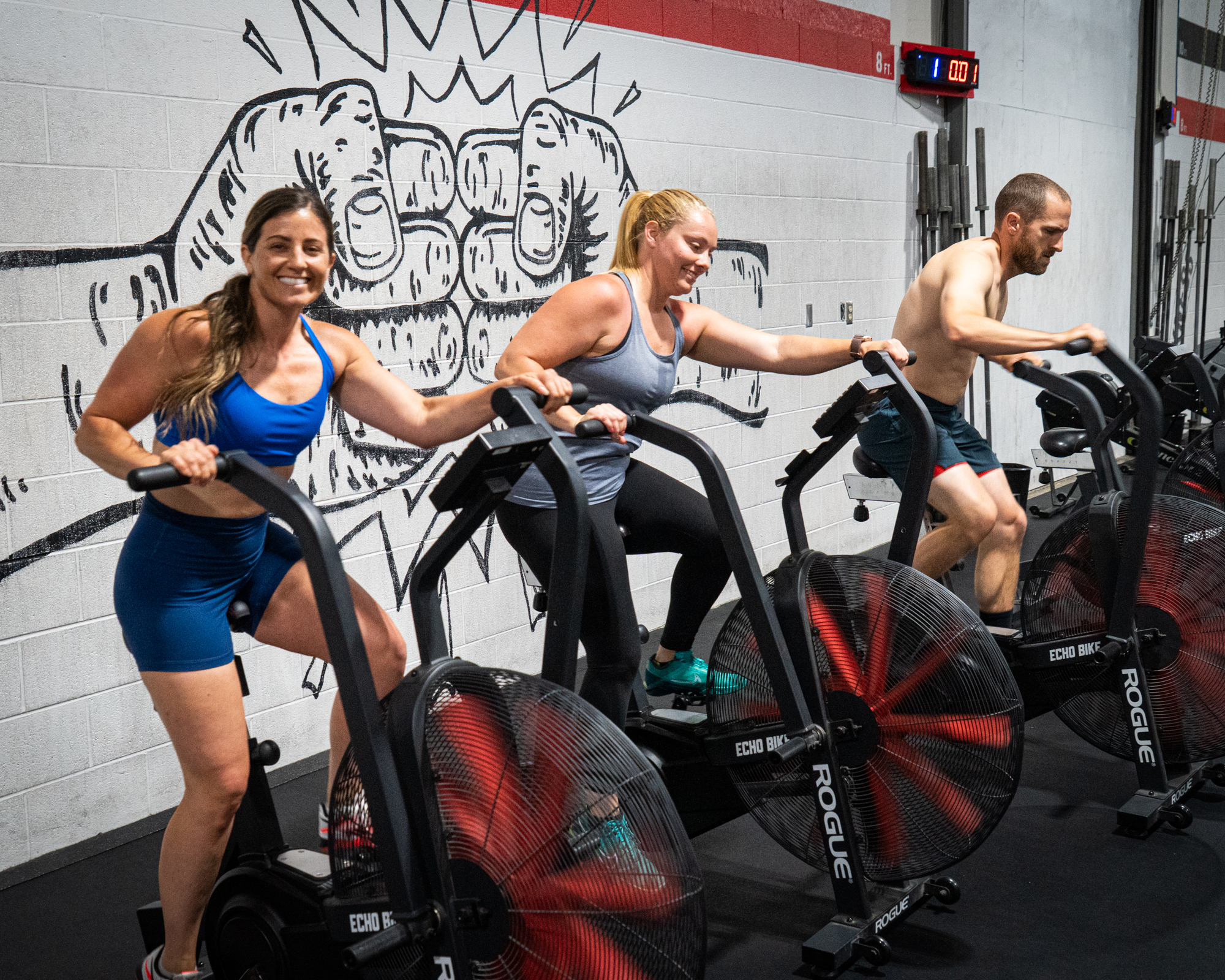
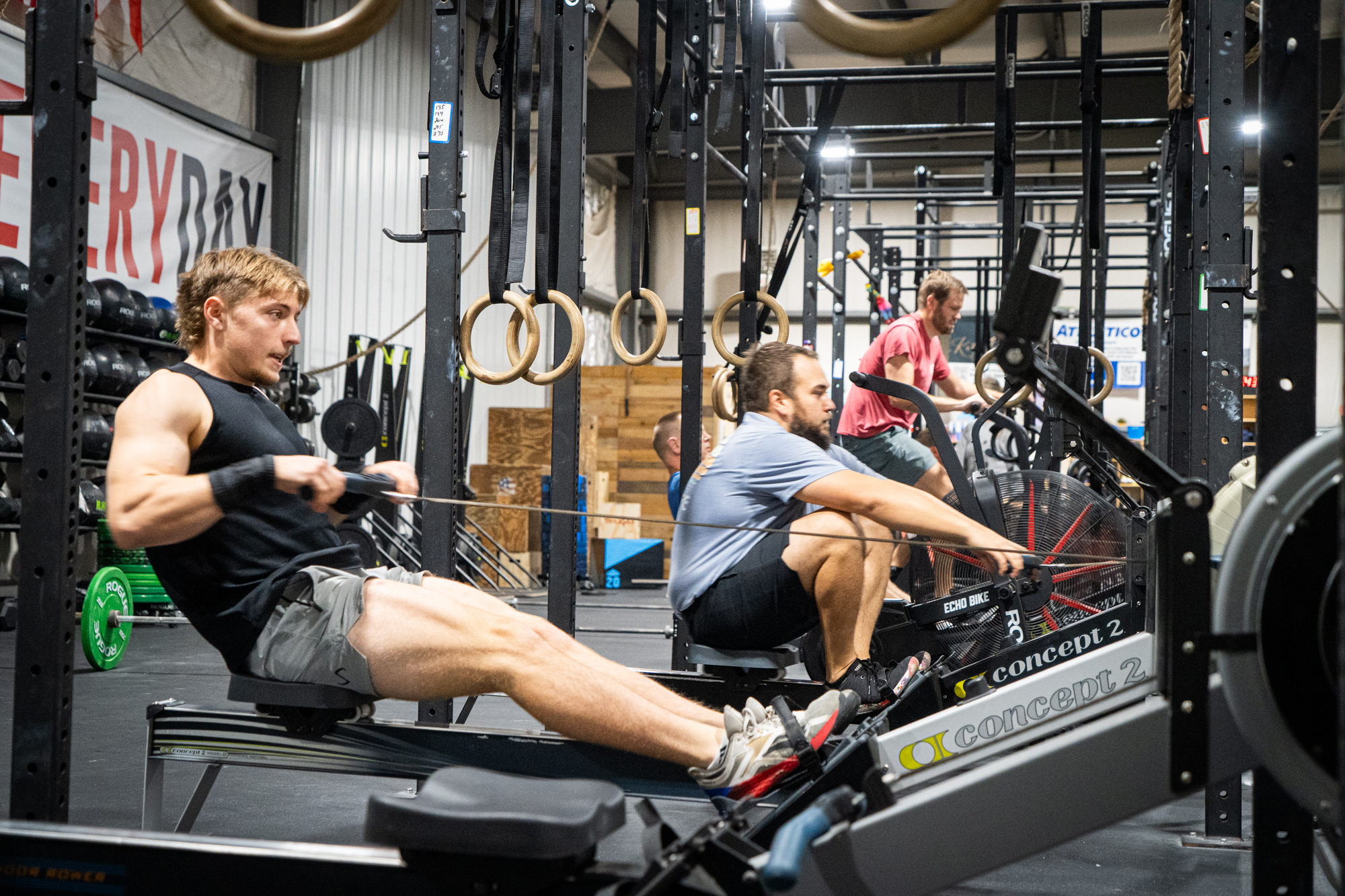
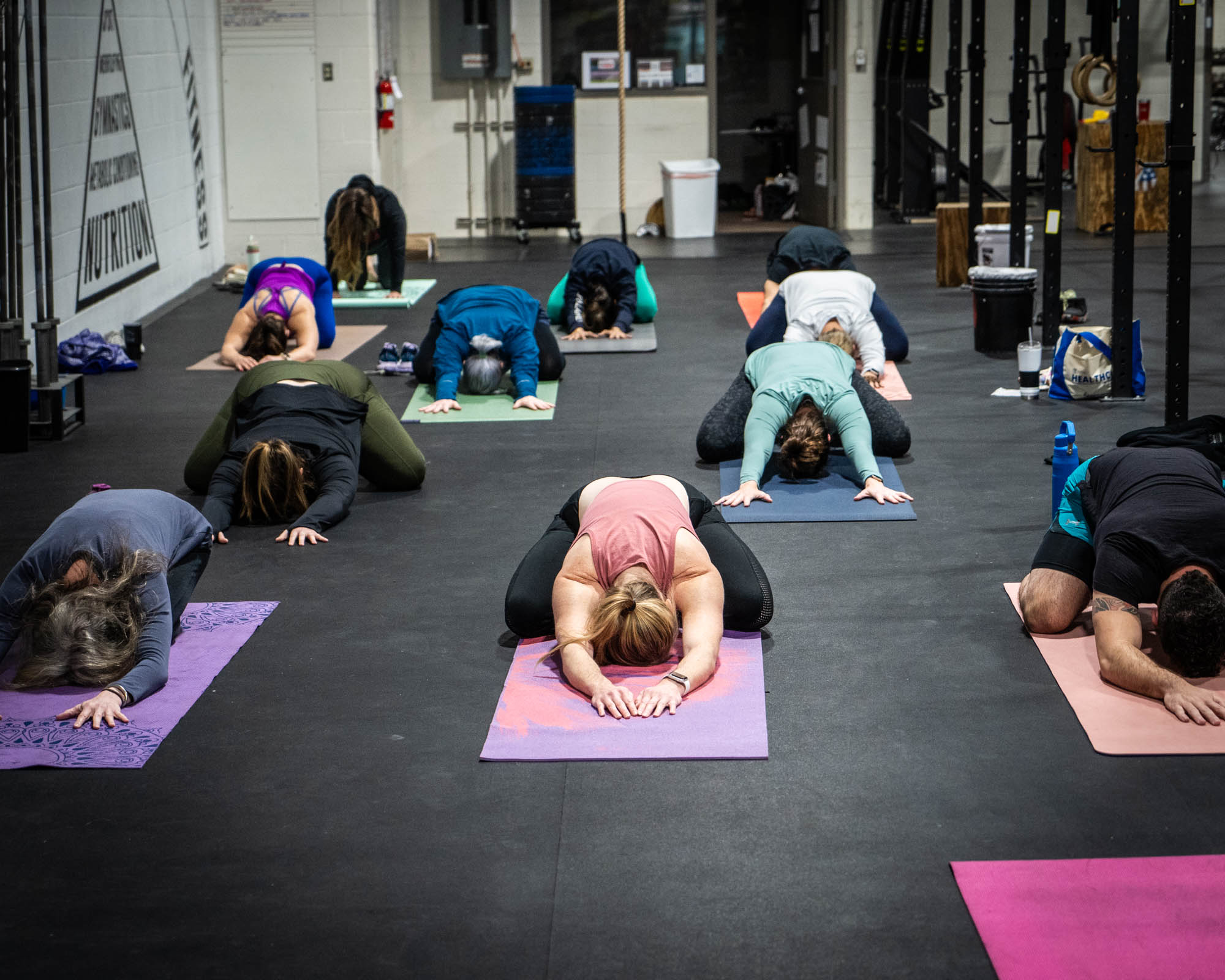
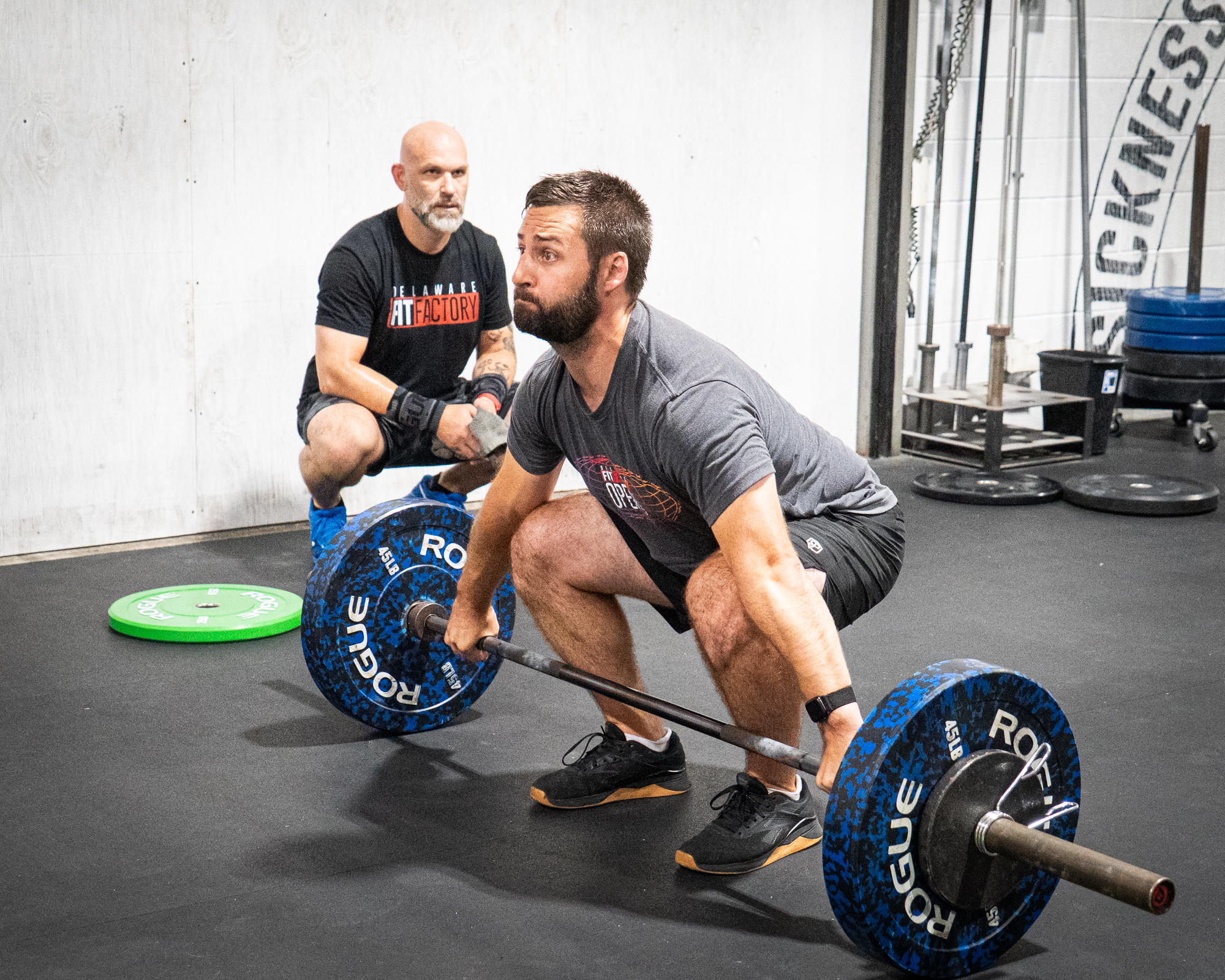
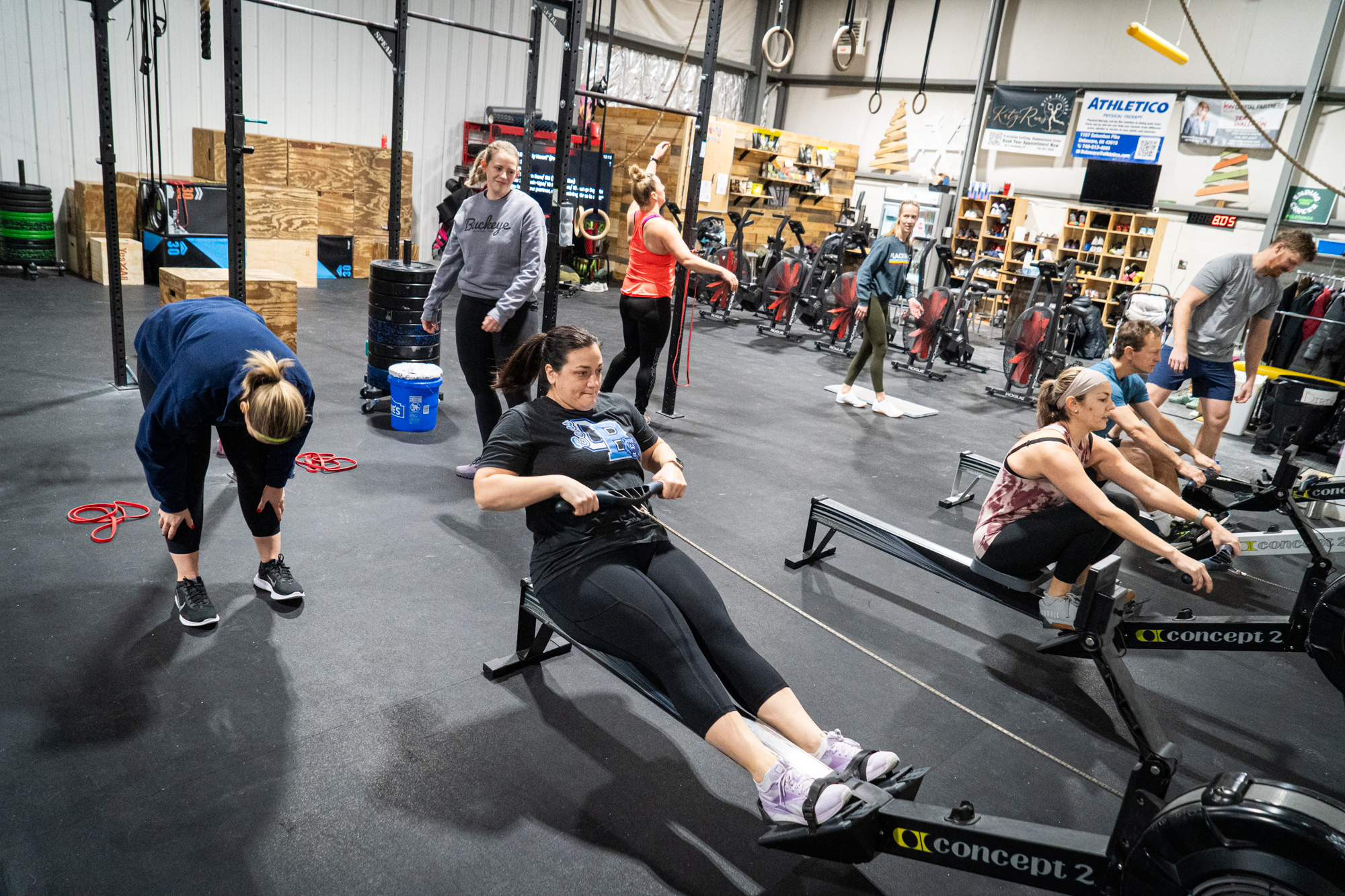
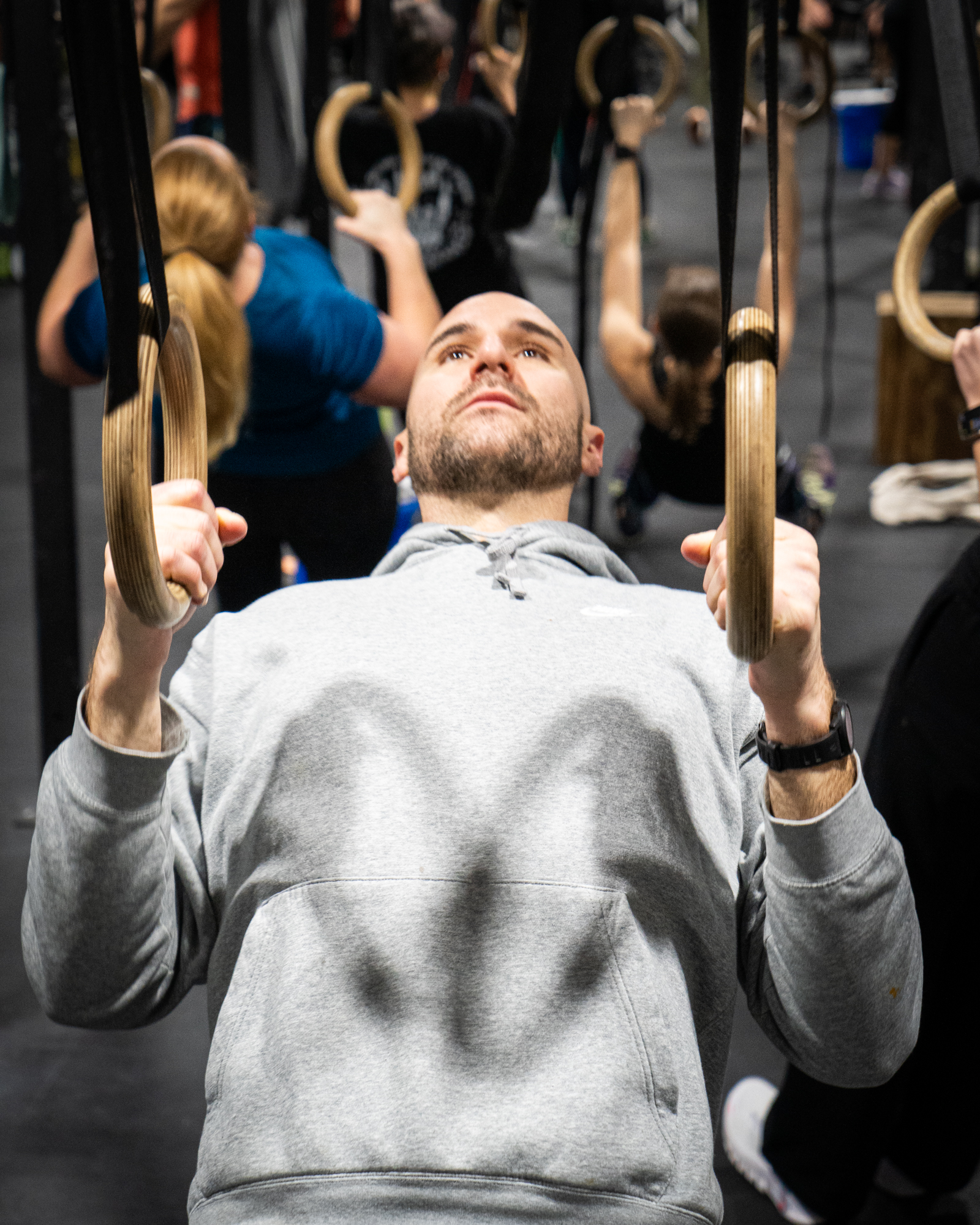
This is why structured group training works so well for busy people. You show up, get guided through a workout, and leave feeling clearer and more energized than when you arrived.
At Delaware Fit Factory, we train for more than just physical results. We train for better days, better work, and better lives. Stronger bodies support sharper minds.
If you feel stuck, scattered, or mentally drained, the solution may not be more caffeine or more screen time — it might be more movement.
Because when your body moves, your brain works better. And when your brain works better, everything else gets easier.