You may have heard the term VO₂ max before — especially if you’ve ever used a fitness watch or done any kind of endurance training. It sounds complicated, but the idea is actually pretty simple.
VO₂ max is a measure of how much oxygen your body can use when you’re working really hard.
Think of it as your body’s engine size.
The higher your VO₂ max:
In plain English:
👉 A higher VO₂ max means you can move faster, longer, and with less effort.
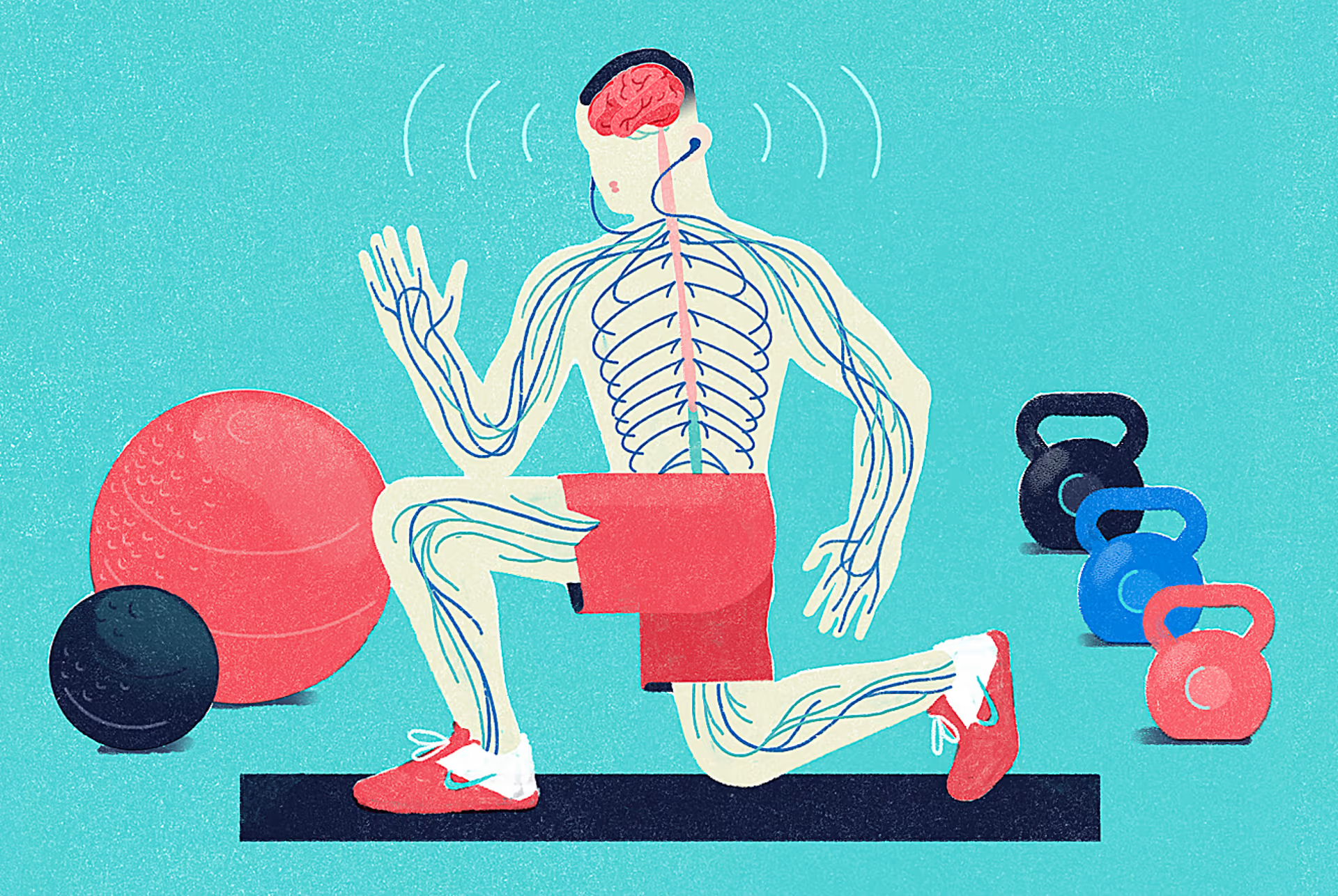
The key to improving VO₂ max is training your heart and lungs to work harder — safely and gradually.
Here are the most effective ways to do it:
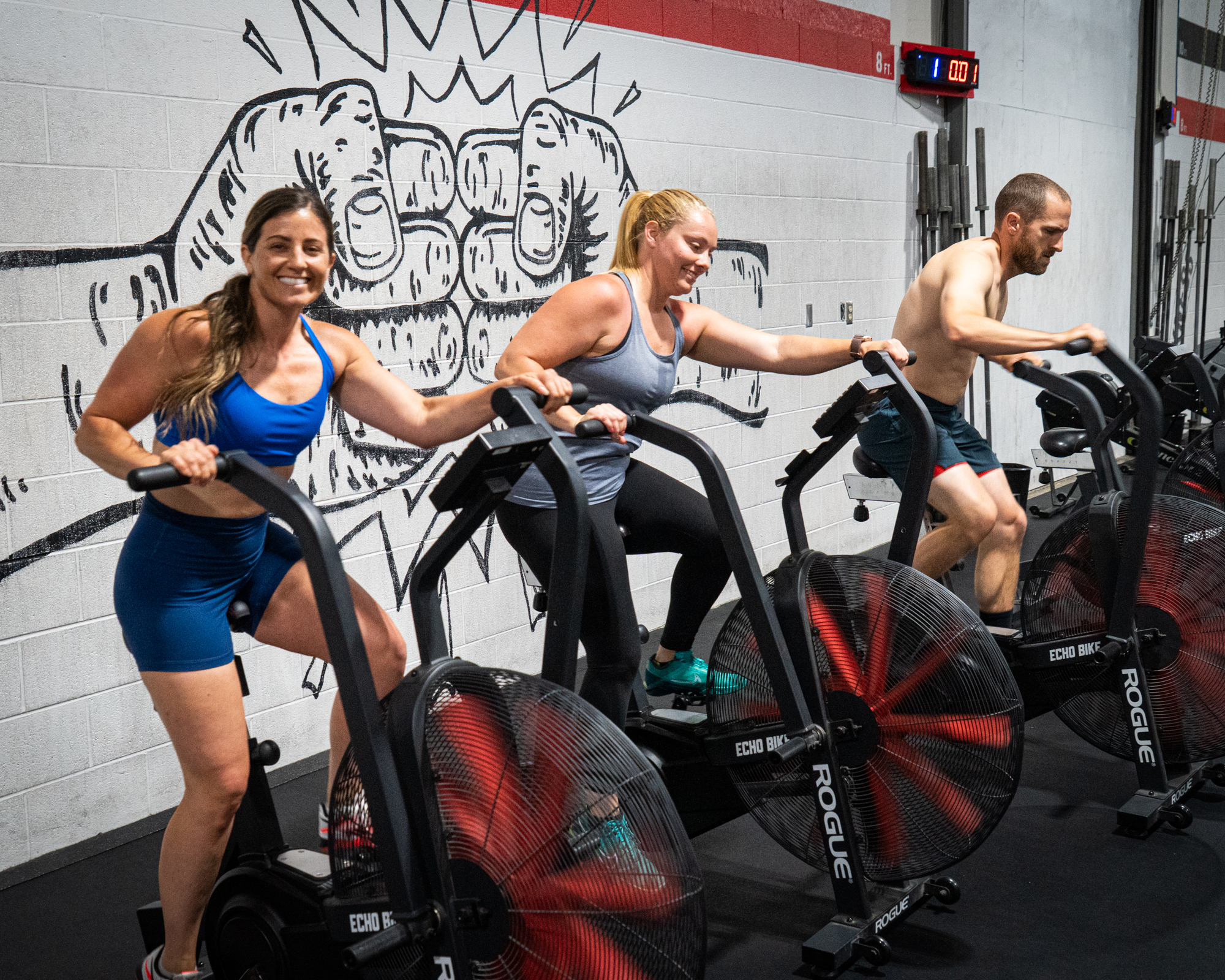
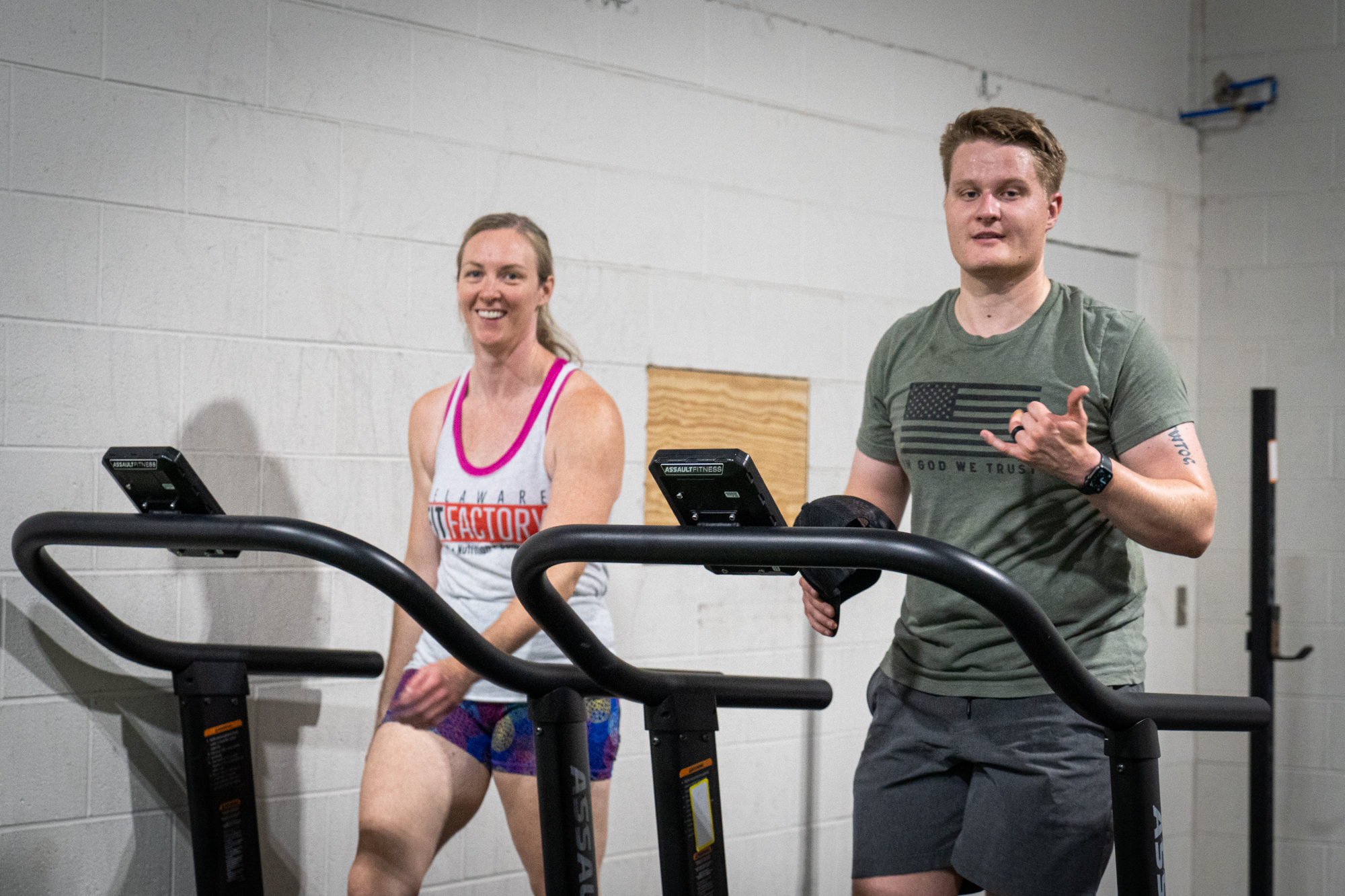
This means working very hard for short periods, then resting, then repeating.
Examples:
These bursts push your heart rate high and teach your body to use oxygen more efficiently.
This is slower, easier work done for longer time periods.
Examples:
This builds the base of your aerobic system and makes your heart stronger overall.
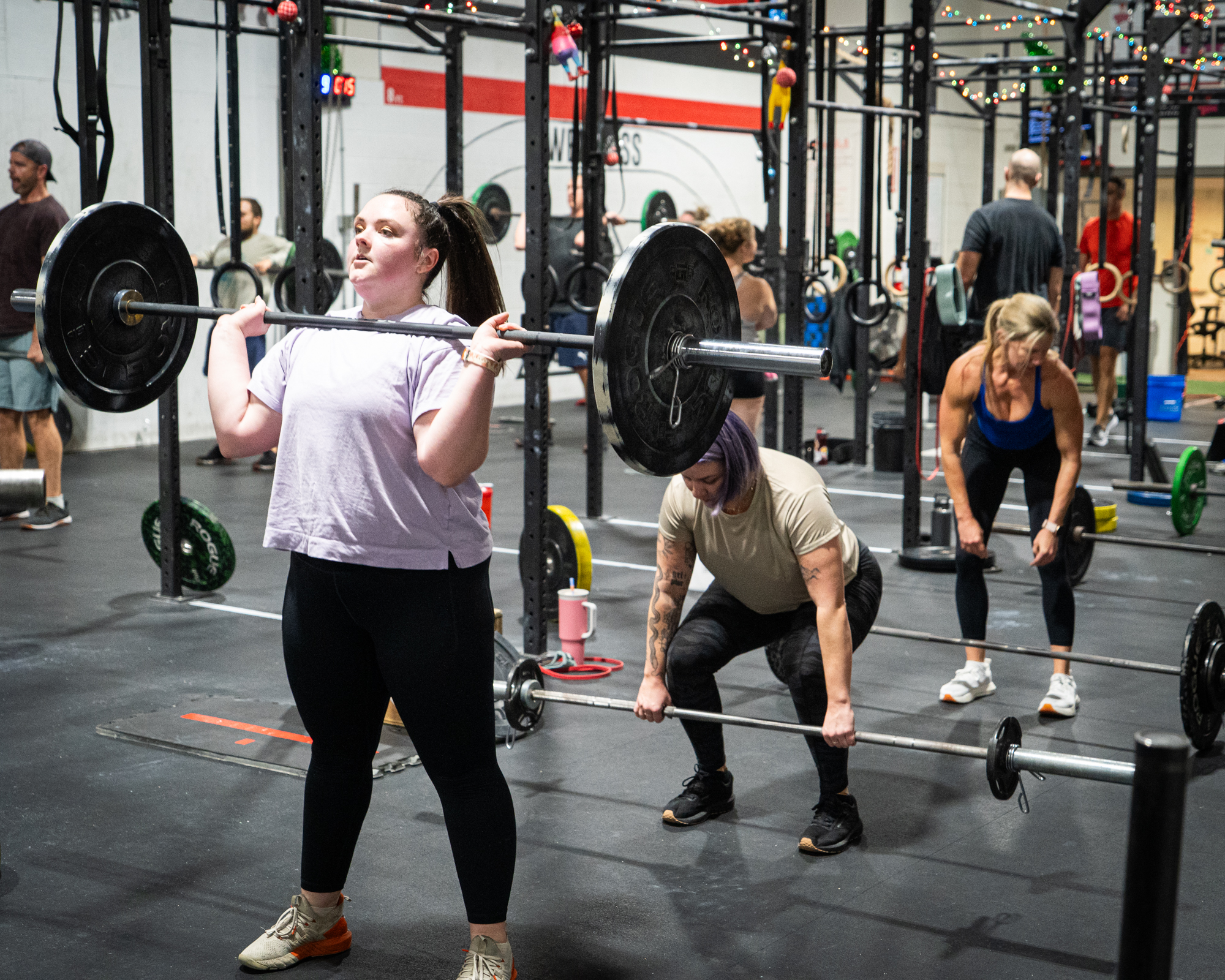
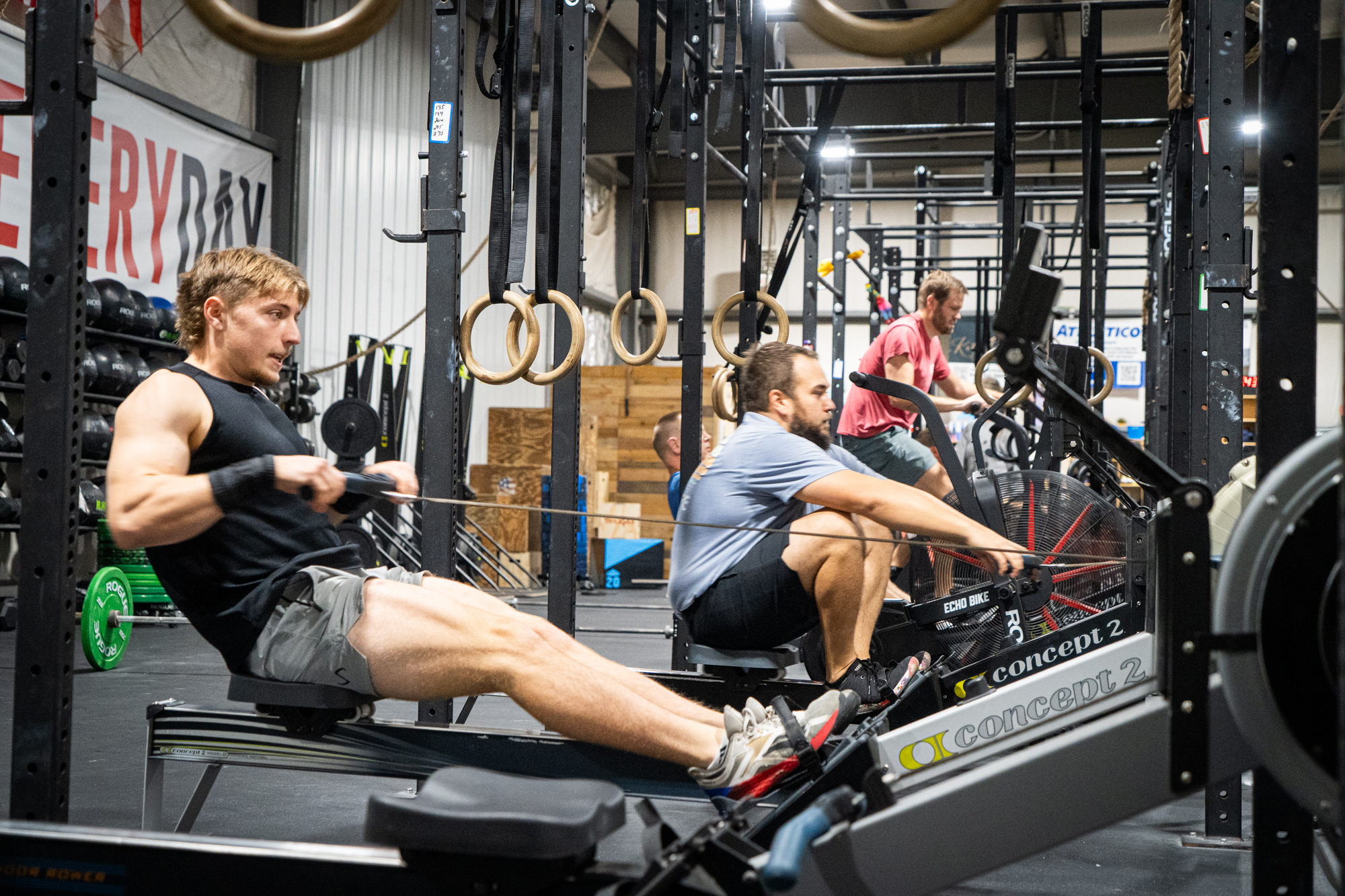
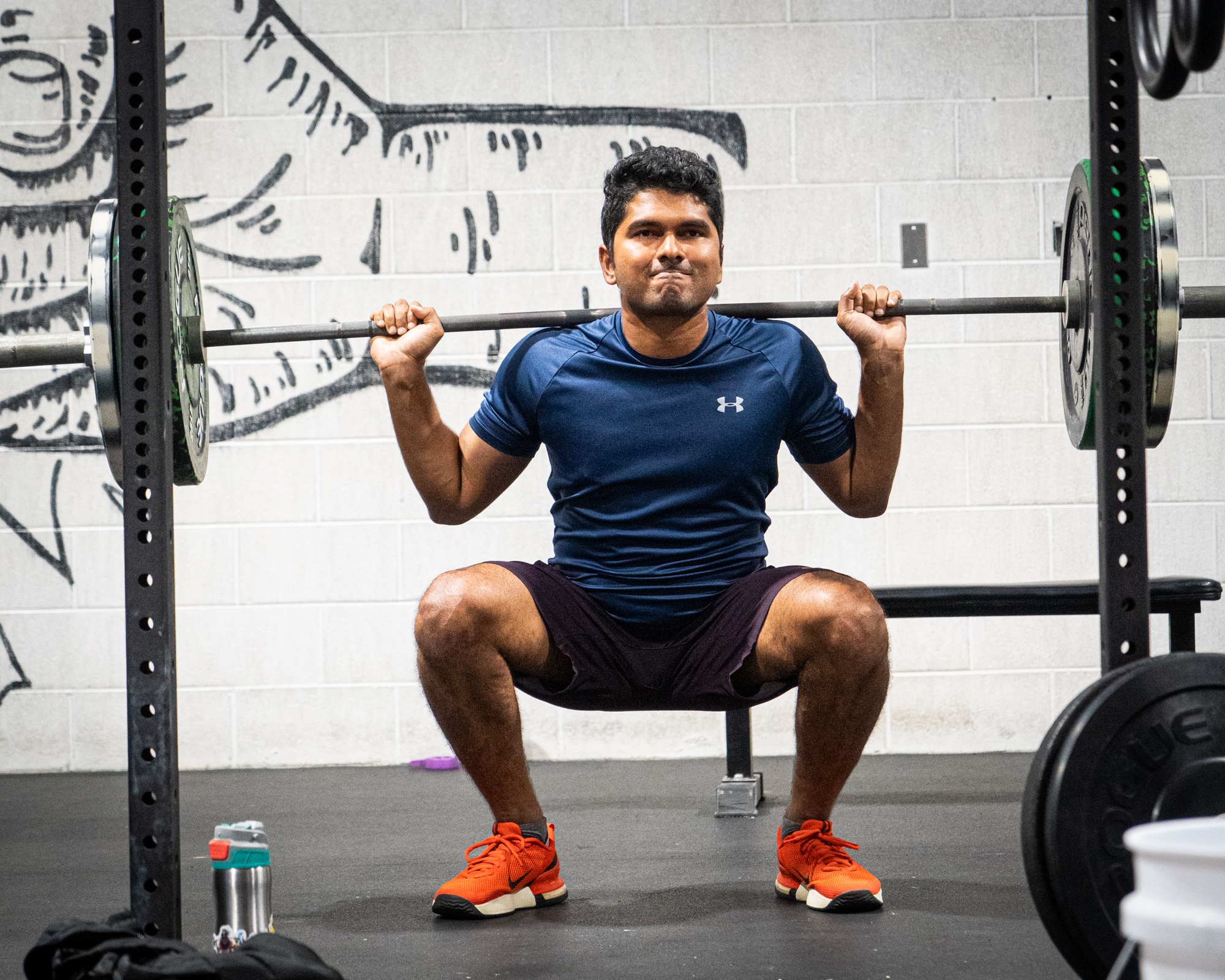
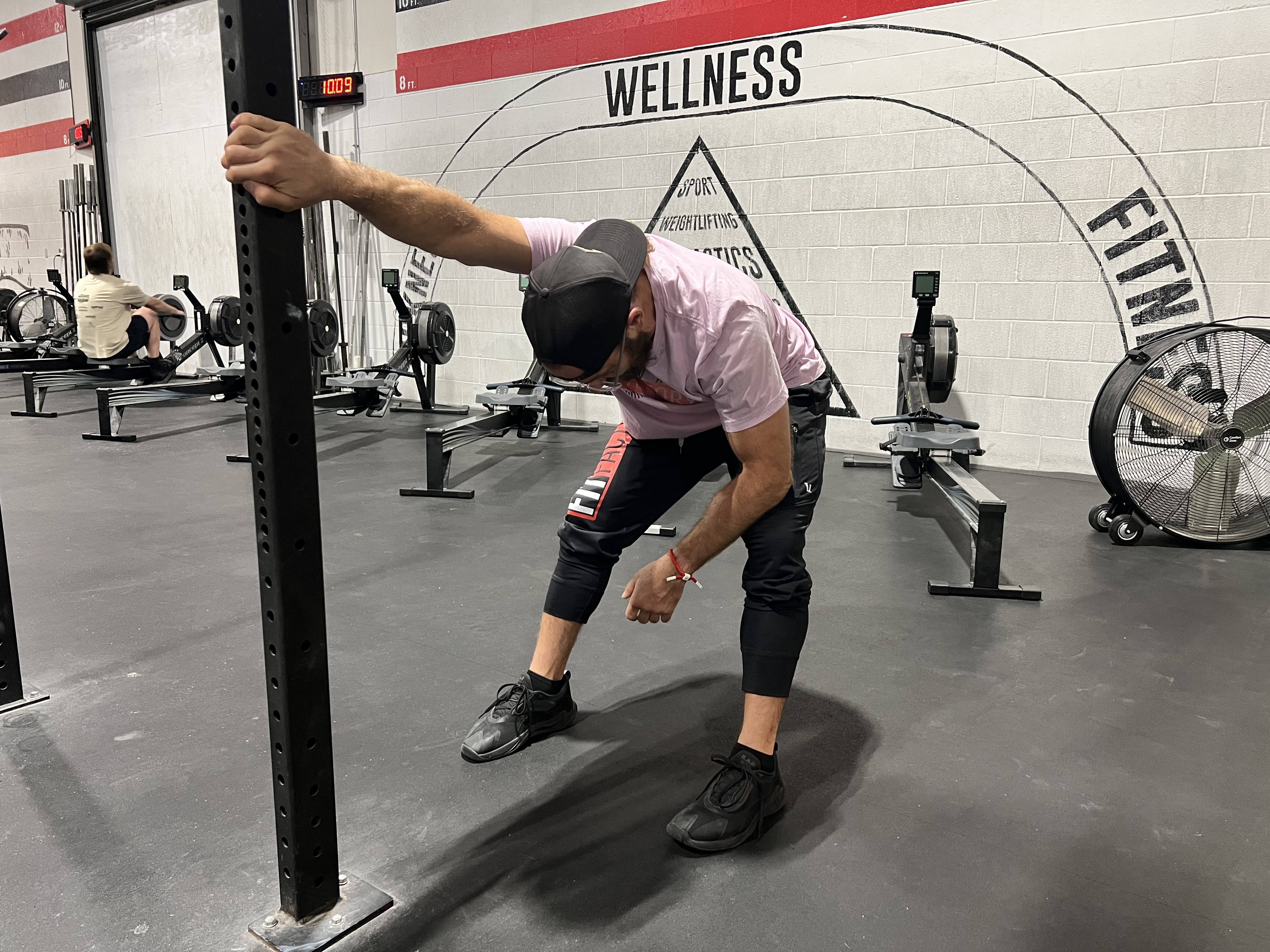
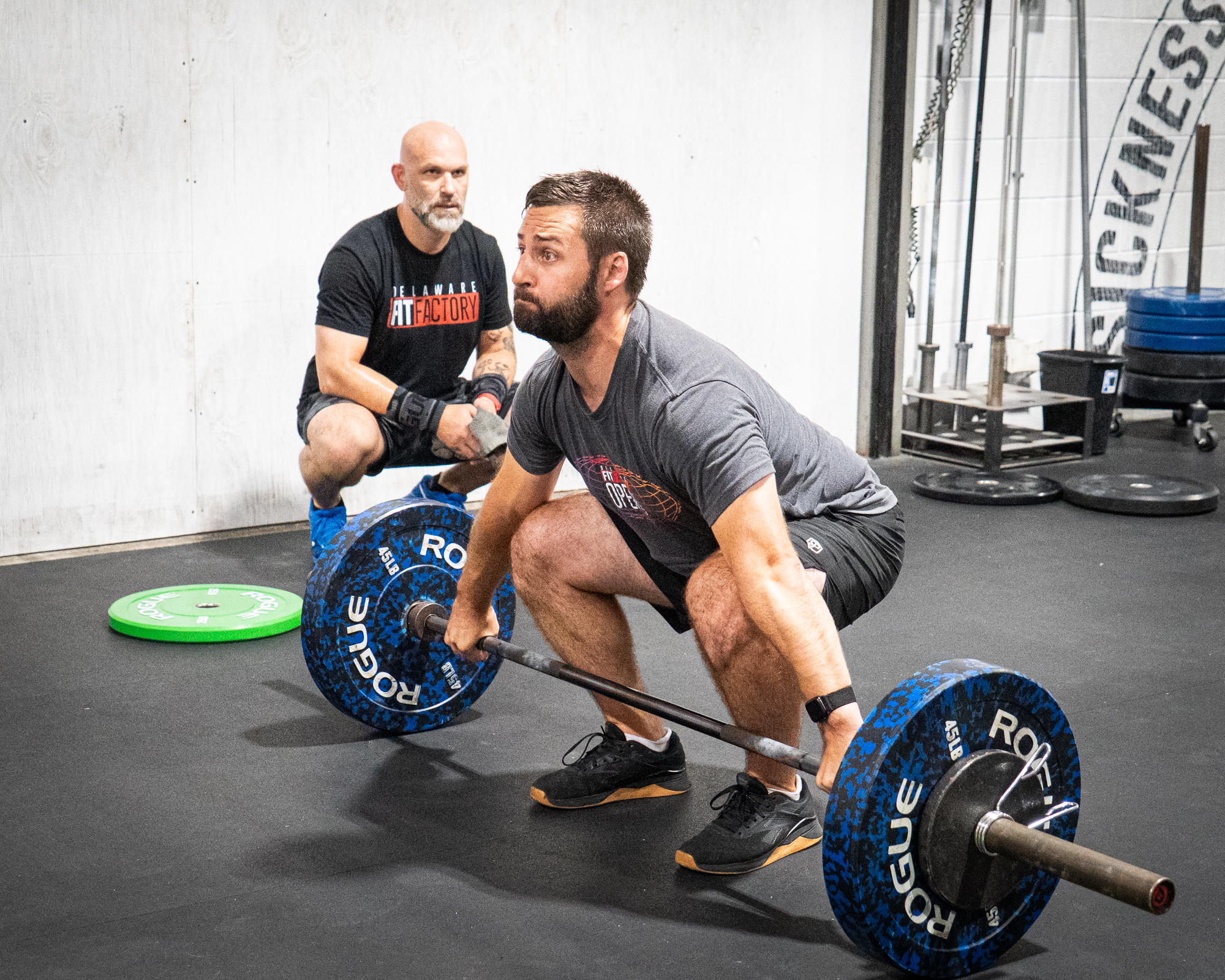
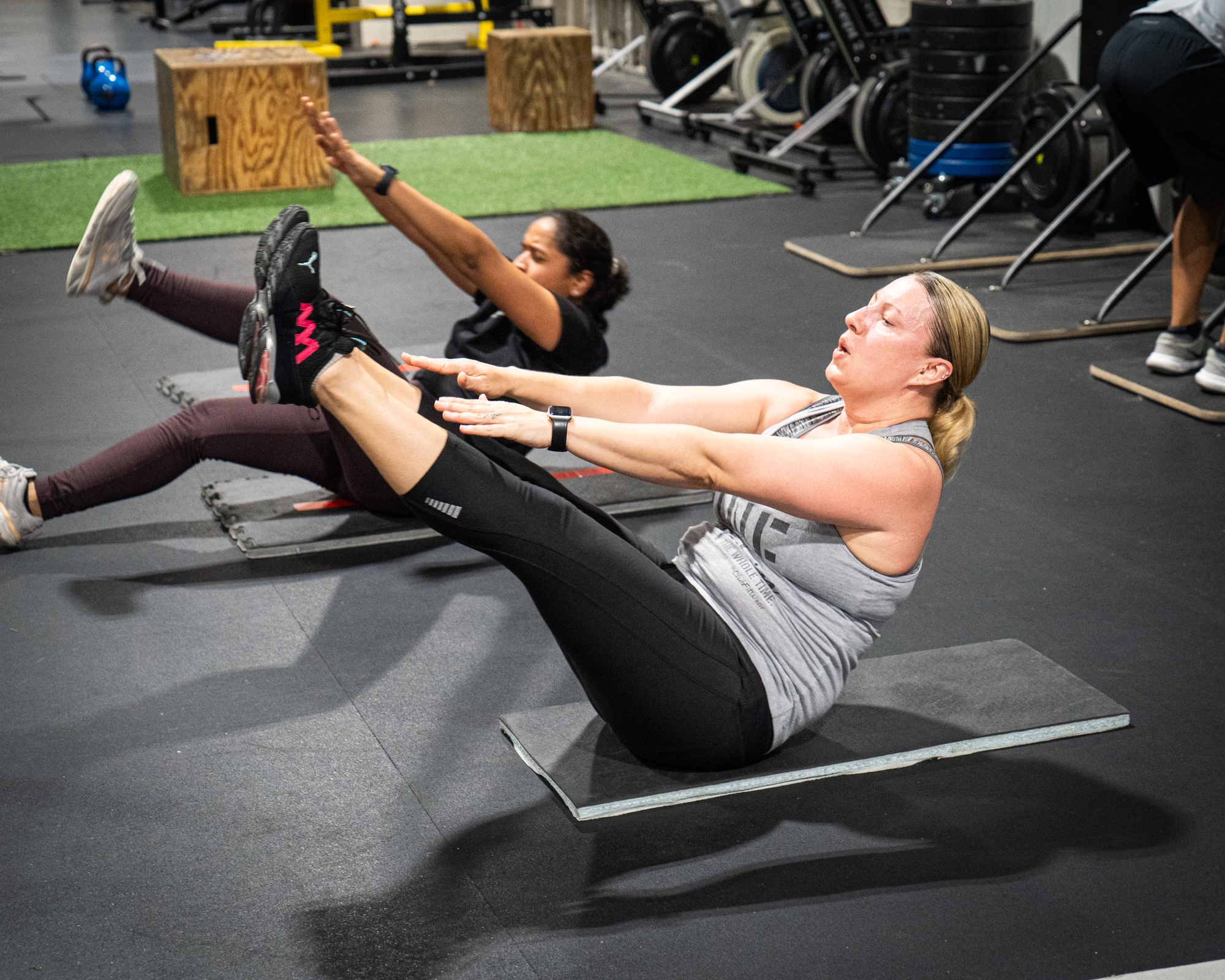
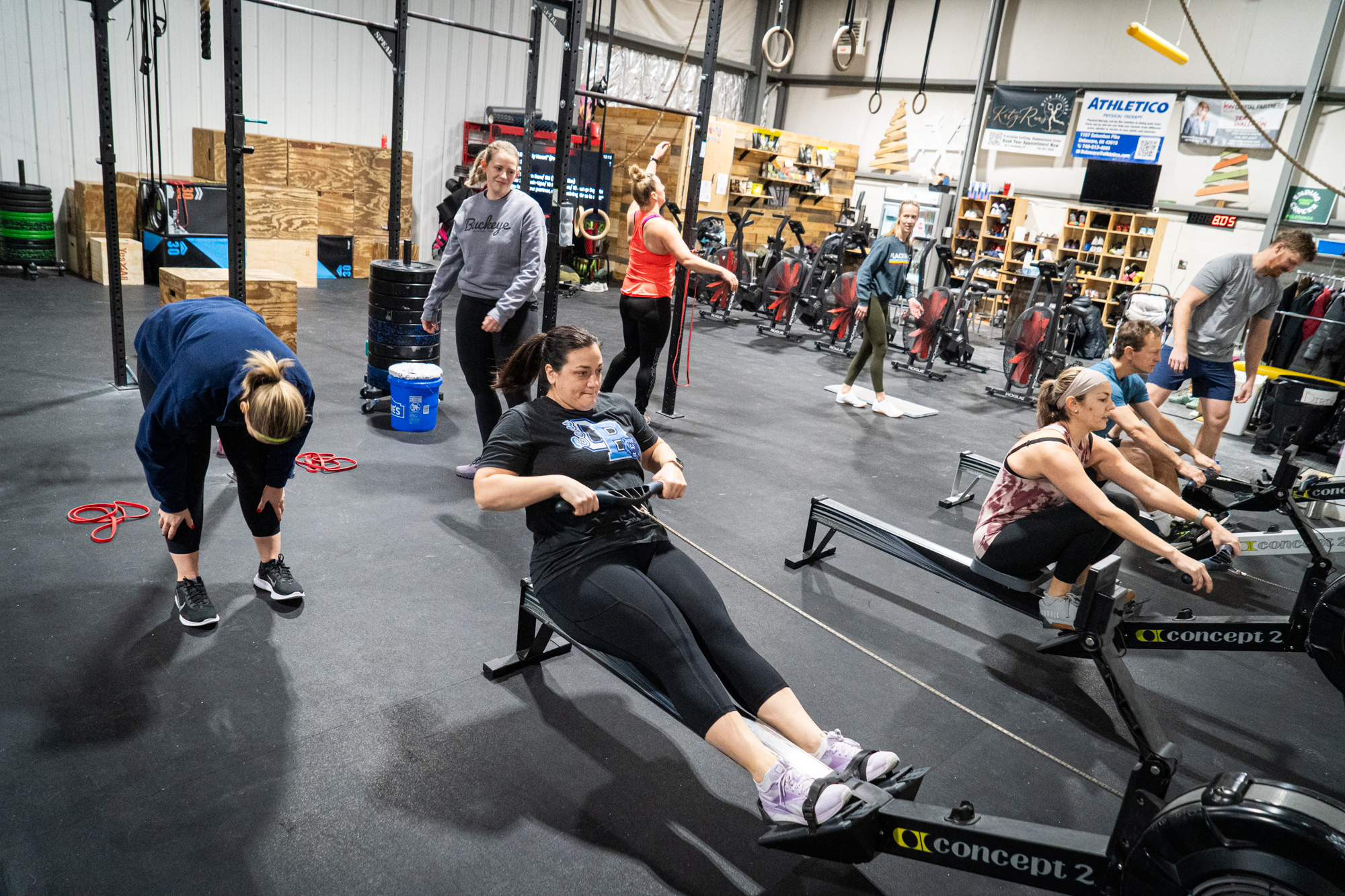
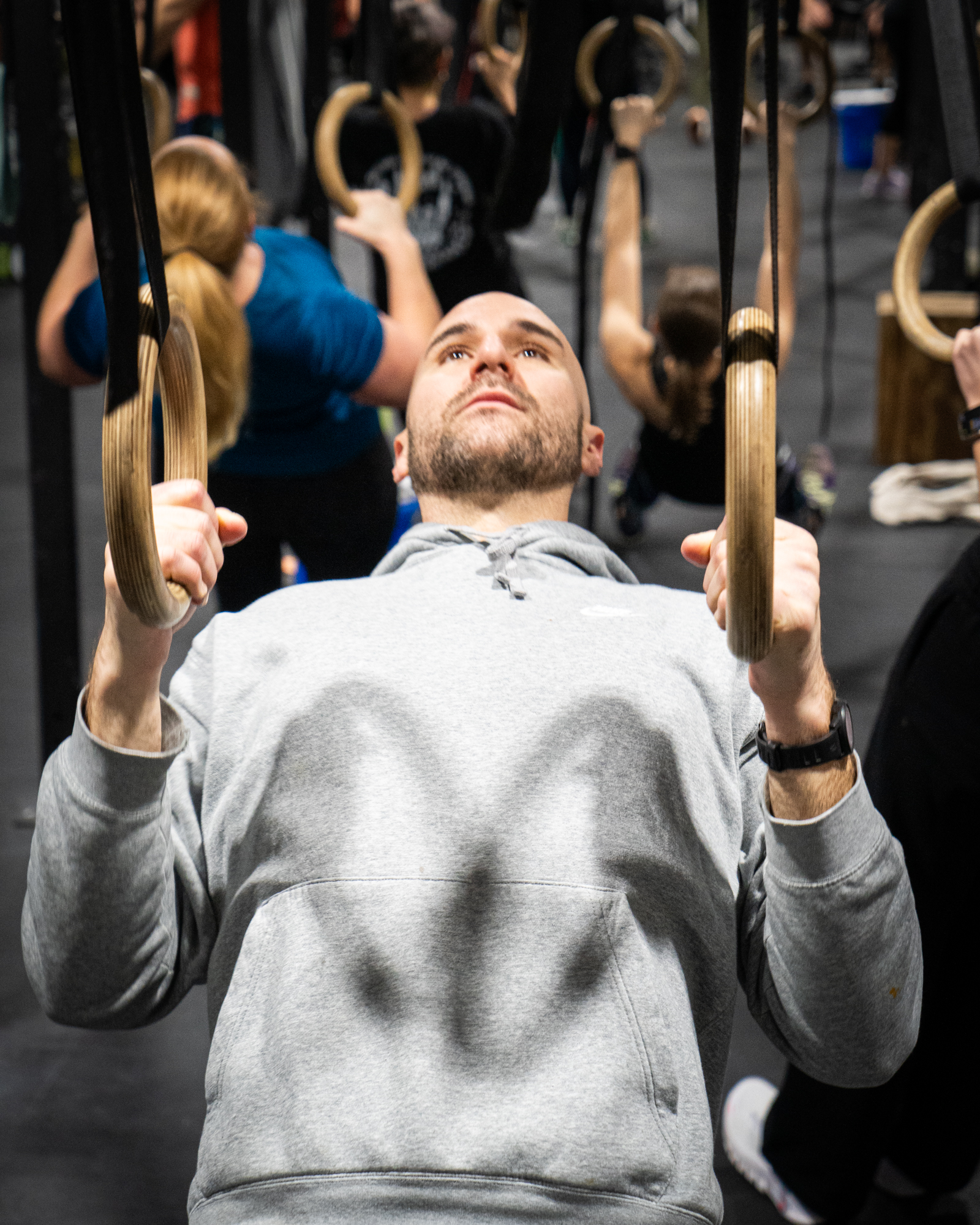
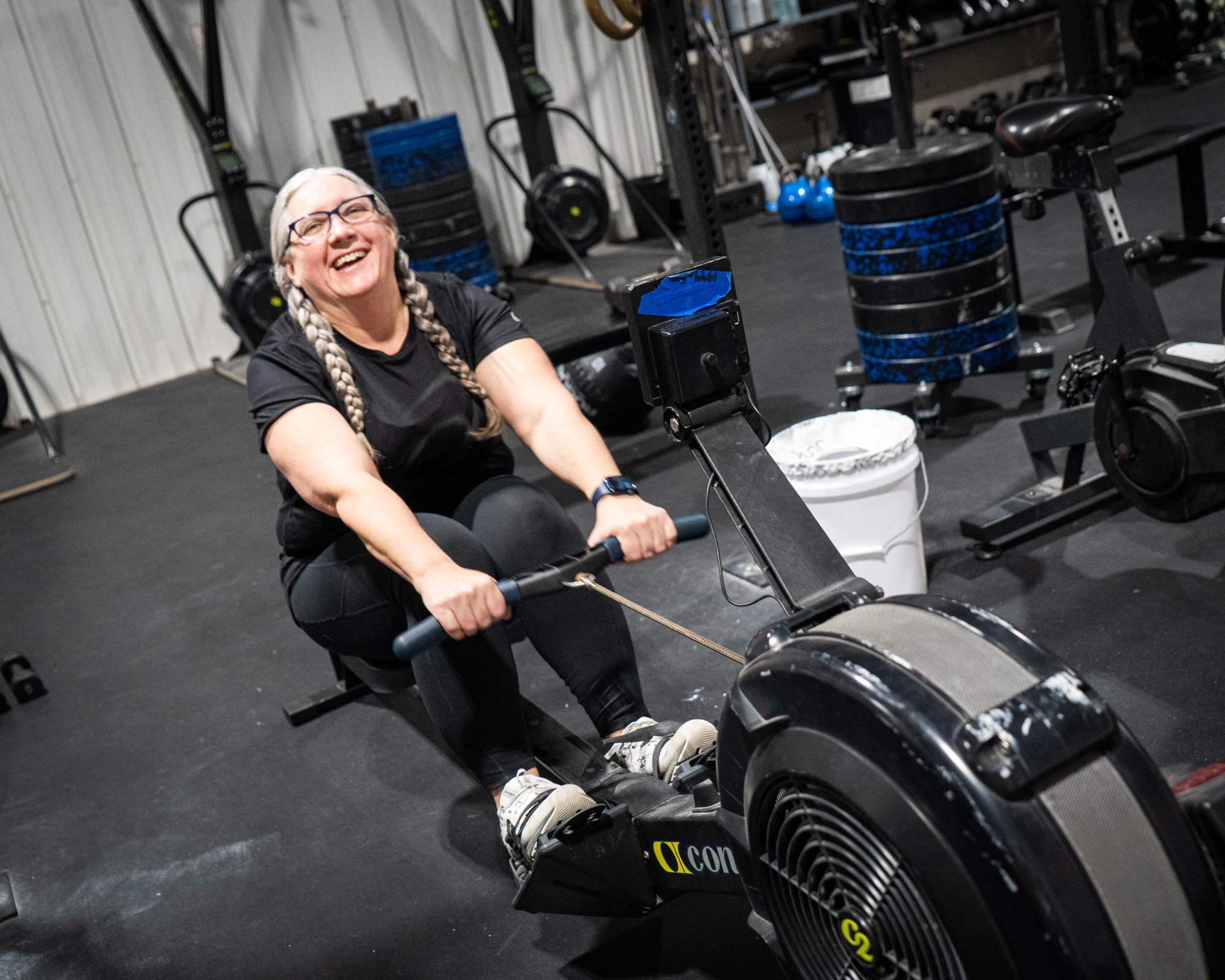
Workouts that use big muscle groups — like squats, kettlebells, rowing, and sled pushes — also challenge your oxygen system.
These types of workouts:
This is one of the reasons functional fitness and CrossFit workouts are so effective.
VO₂ max isn’t just for athletes. You use it every day without realizing it.
Here’s where it really shows up:
🏃 Chasing Your Kids or Grandkids
When you run across the yard, up the stairs, or through a store — your body’s ability to use oxygen determines how fast you recover and whether you feel wiped out or ready to go again.
🛒 Carrying Groceries or Shoveling Snow
These activities use a lot of muscle and require steady breathing. A higher VO₂ max means:
🏞 Hiking or Traveling
Walking uphill, exploring new cities, or climbing stairs in a hotel — that’s all oxygen demand.
Better VO₂ max = more energy and less need to stop and rest.
❤️ Health and Longevity
Research consistently shows that VO₂ max is one of the strongest predictors of long-term health and lifespan.
Higher VO₂ max is linked to:
It’s not just about fitness — it’s about quality of life.
You don’t need to know your exact VO₂ max number for it to matter.
What matters is training in a way that improves it.
That means:
The goal here isn’t to become a marathon runner.
The goal is to:
➡️ Breathe easier
➡️ Recover faster
➡️ Have more energy
➡️ Stay capable as life demands more from you
Your heart and lungs are trainable — just like your muscles.
And improving your VO₂ max is one of the best things you can do for your long-term health and everyday performance. 💪