Whether you’re an athlete, a weekend mover, or someone just wanting to feel better day-to-day, range of motion (ROM) is one of the most important—and overlooked—components of fitness. It affects how well you lift, squat, press, run, and even how comfortably you sit, stand, and go about your daily tasks.
Improving ROM isn’t about becoming a contortionist. It’s about creating strong, controlled, pain-free movement so your body can perform the way it was designed to.
Let's break down how to test your current mobility and practical ways to improve it.
Try these quick mobility checks at home or in the gym:
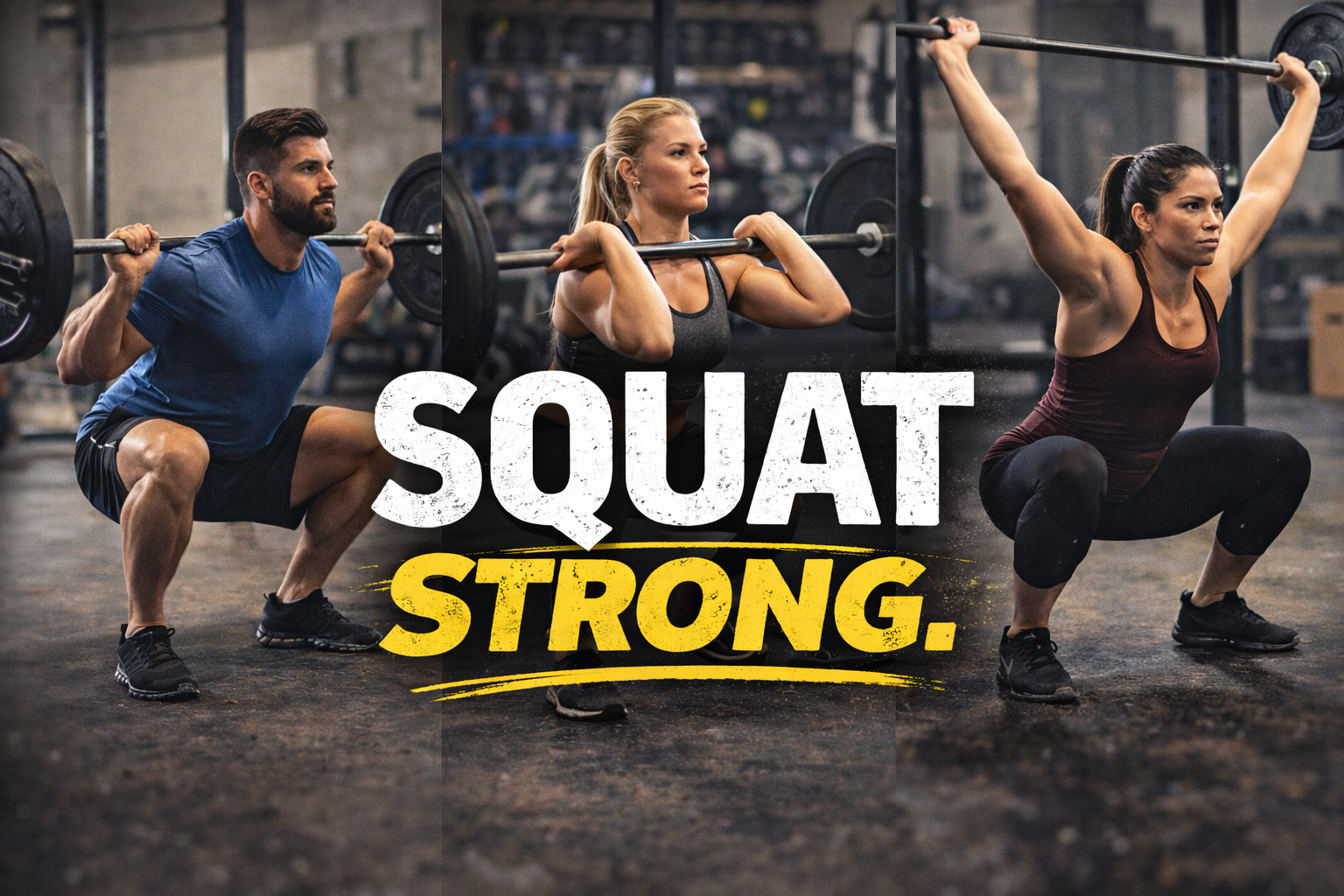
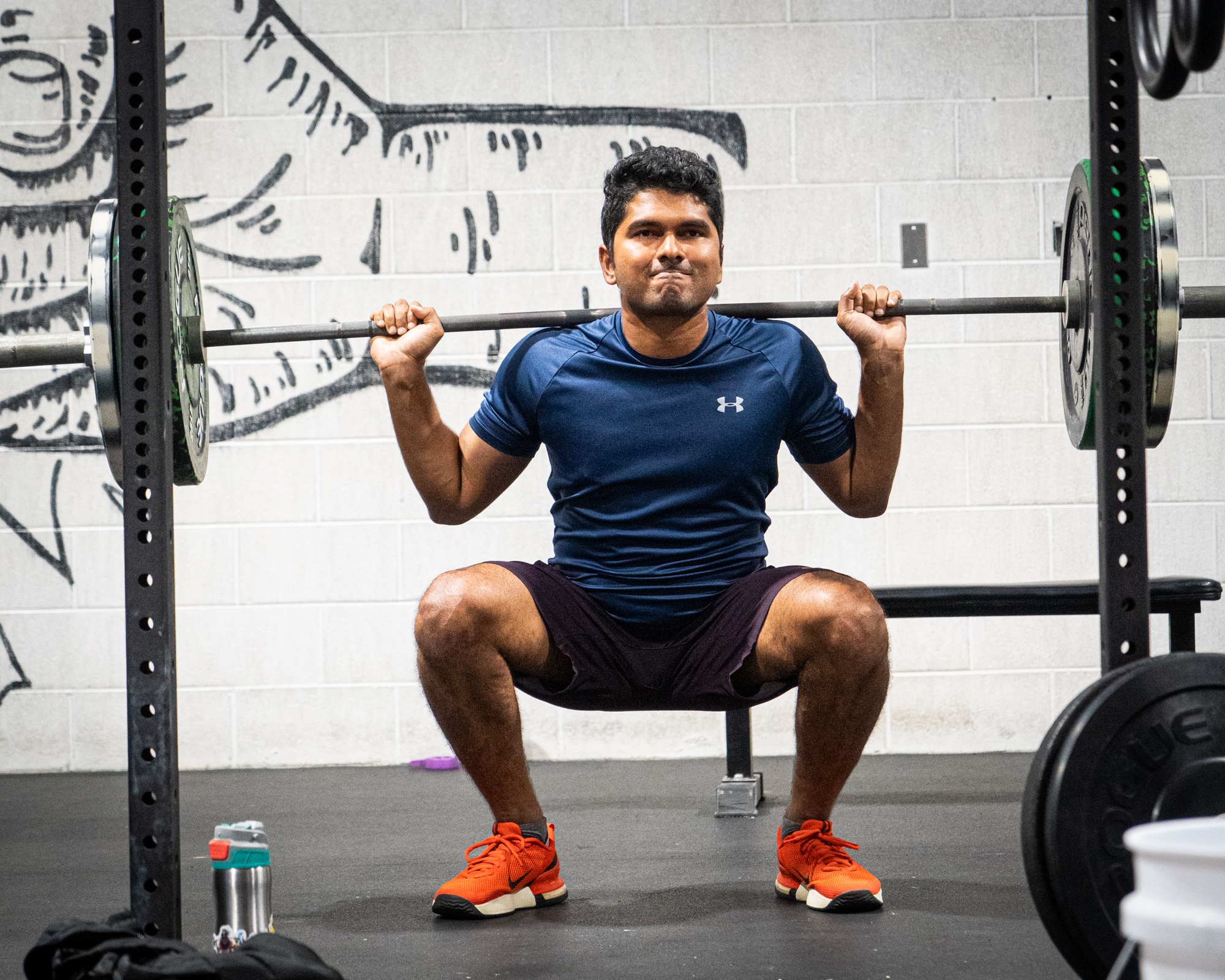
Stand with your feet shoulder-width apart and squat as low as you can while keeping your chest tall and heels down.
Ask yourself:
Limited squat depth often signals tight ankles, hips, quads, or lats. Check out this video for more.
Stand tall and raise your arms overhead without arching your lower back.
Look for:
This often exposes shoulder, lat, or thoracic spine restrictions. Check out this video for more.
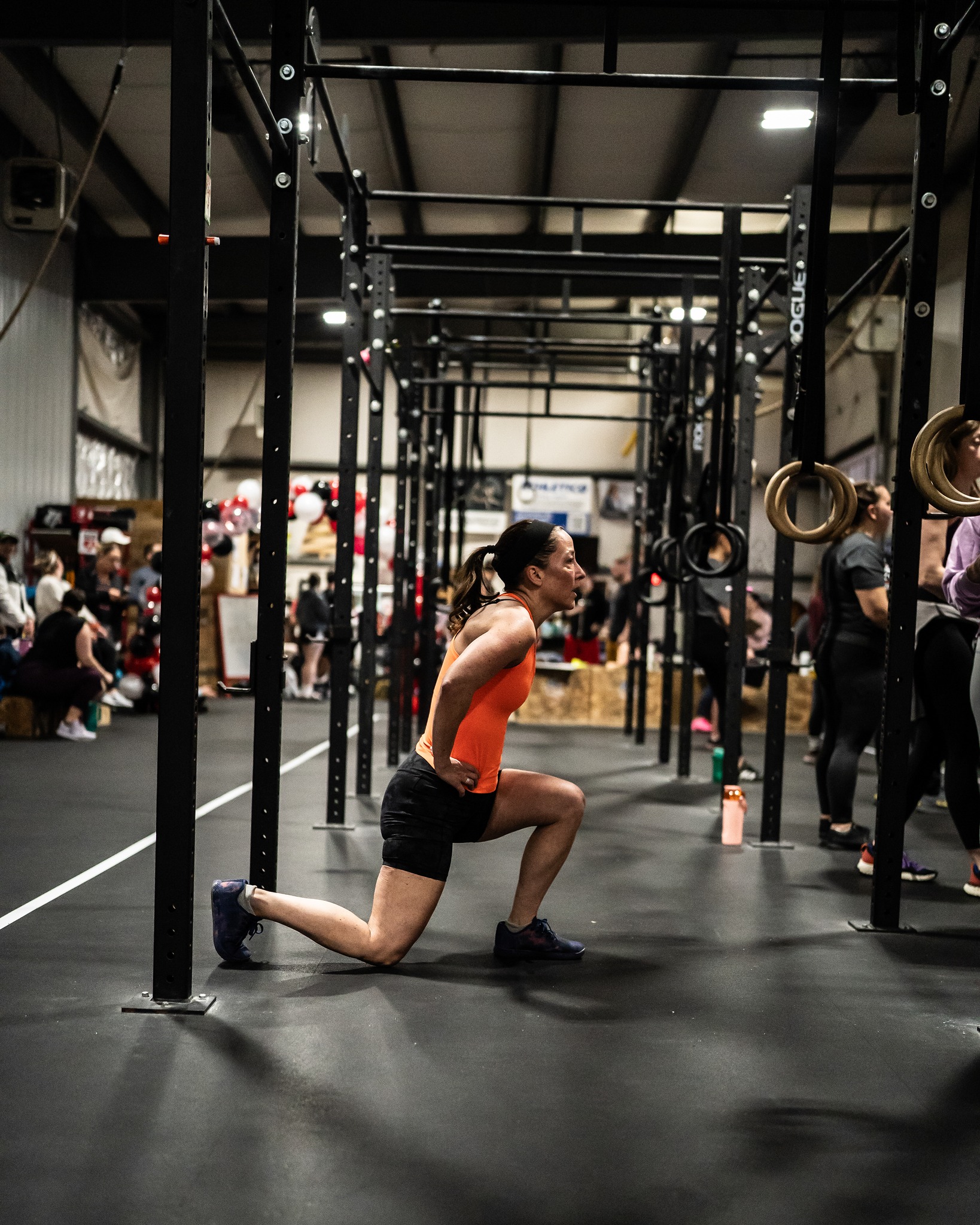
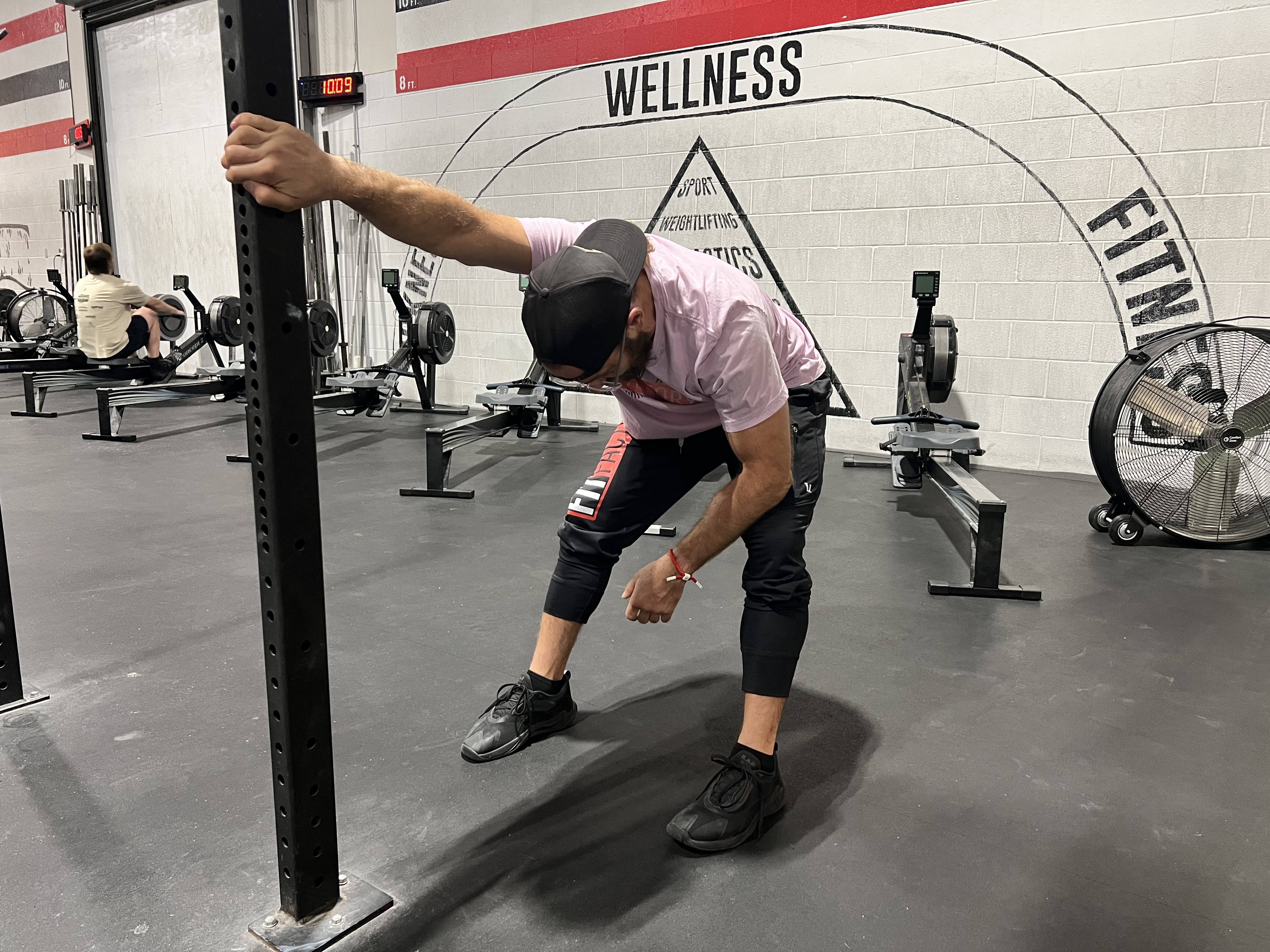
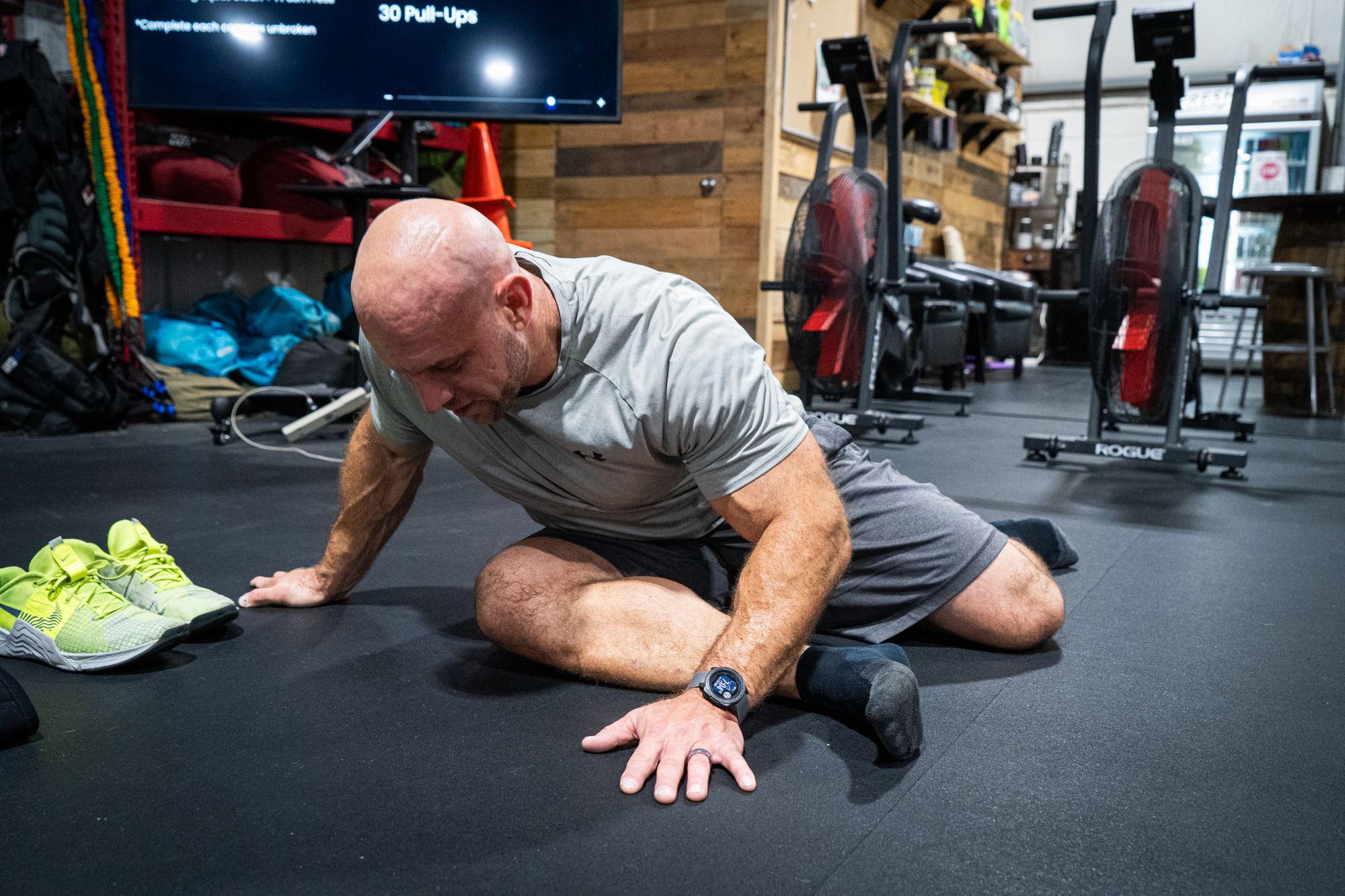
Get into a lunge position and gently shift forward. See this video demonstration.
Note:
Tight hip flexors can contribute to low-back discomfort and weak glute engagement.
Stand facing a wall. Place your toes about 4 inches away and try to drive your knee forward to touch the wall without your heel lifting. See this video demonstration.
Ask:
Good dorsiflexion impacts squatting, running, jumping, and stability.
Mobility isn’t just stretching—it’s mobility + stability + consistency.
Short, frequent stretching beats occasional marathon sessions. Check out these 4 recommendations for squat days!
Try:
Prime your joints before loading them.
Examples:
Own the range you gain.
Add:
Strength at end range reduces injury risk and improves control.
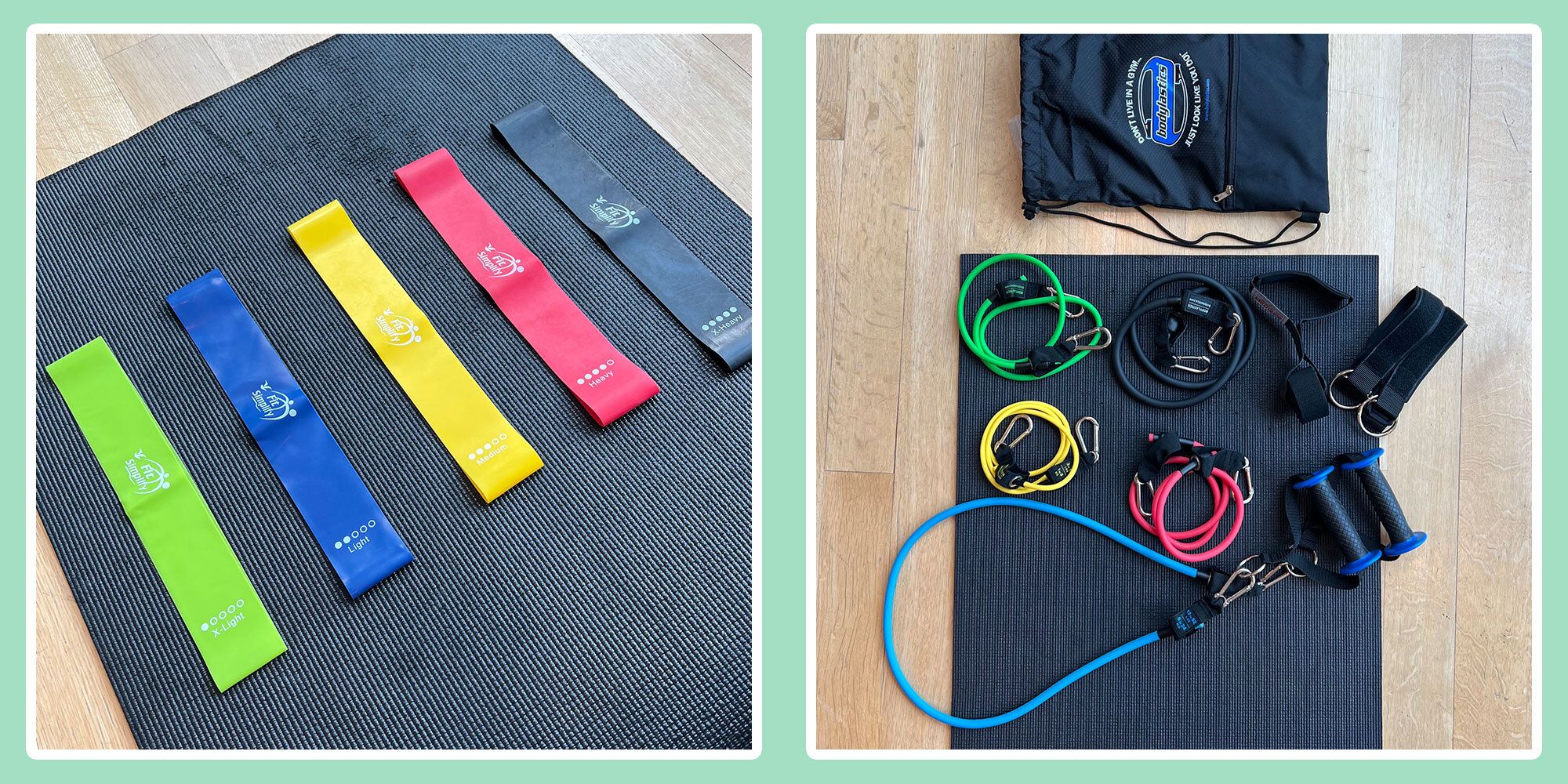
Foam rollers, lacrosse balls, bands, PVC pipes—simple tools can unlock a lot.
Use them intentionally:
Mobility changes come from repetition—not one good session.
Even 3–5 mobility sessions per week can create noticeable difference in weeks.
Improved range of motion means:
Your future workouts become safer, stronger, and more enjoyable.
If you want help assessing mobility or need a plan tailored to your body, our coaches at Delaware Fit Factory are here for you. Whether you’re easing into fitness or chasing PRs, we’ll guide you step-by-step so you can move well, feel good, and get strong.
Small improvements add up fast — start today.
Let’s get you moving like you were built to. 💪