When people say they want to “lose weight,” what they usually mean is they want to lose body fat.
But here’s the catch: not all weight loss is good weight loss.
If you approach fat loss the wrong way—through extreme dieting, endless cardio, or quick-fix programs—you often lose muscle along with fat. That can slow your metabolism, decrease strength, reduce energy levels, and make it much easier to regain the weight later.
Sorry if you were coming here looking for a "magic pill" or a recipe like, "1 mile walk+ 1 salad = Abs for life." It just doesn't work like that.
We want to help people the right way, and that's losing body fat while maintaining—or even building—muscle. This approach leads to better health, better performance, and long-term results that actually last.
The number on the scale only tells you how much you weigh. It doesn’t tell you what makes up that weight.
Two people can weigh the same but look and feel completely different depending on their body composition—how much muscle they have versus how much body fat.
Listen to this podcast episode to learn more about body fat, muscle mass, visceral fat, and more: Spotify & Apple Podcasts
When someone loses muscle along with fat, they may see the scale drop quickly. But that “success” often leads to:
The goal isn’t just to weigh less. The goal is to improve your body composition.
That means keeping muscle while gradually reducing body fat.
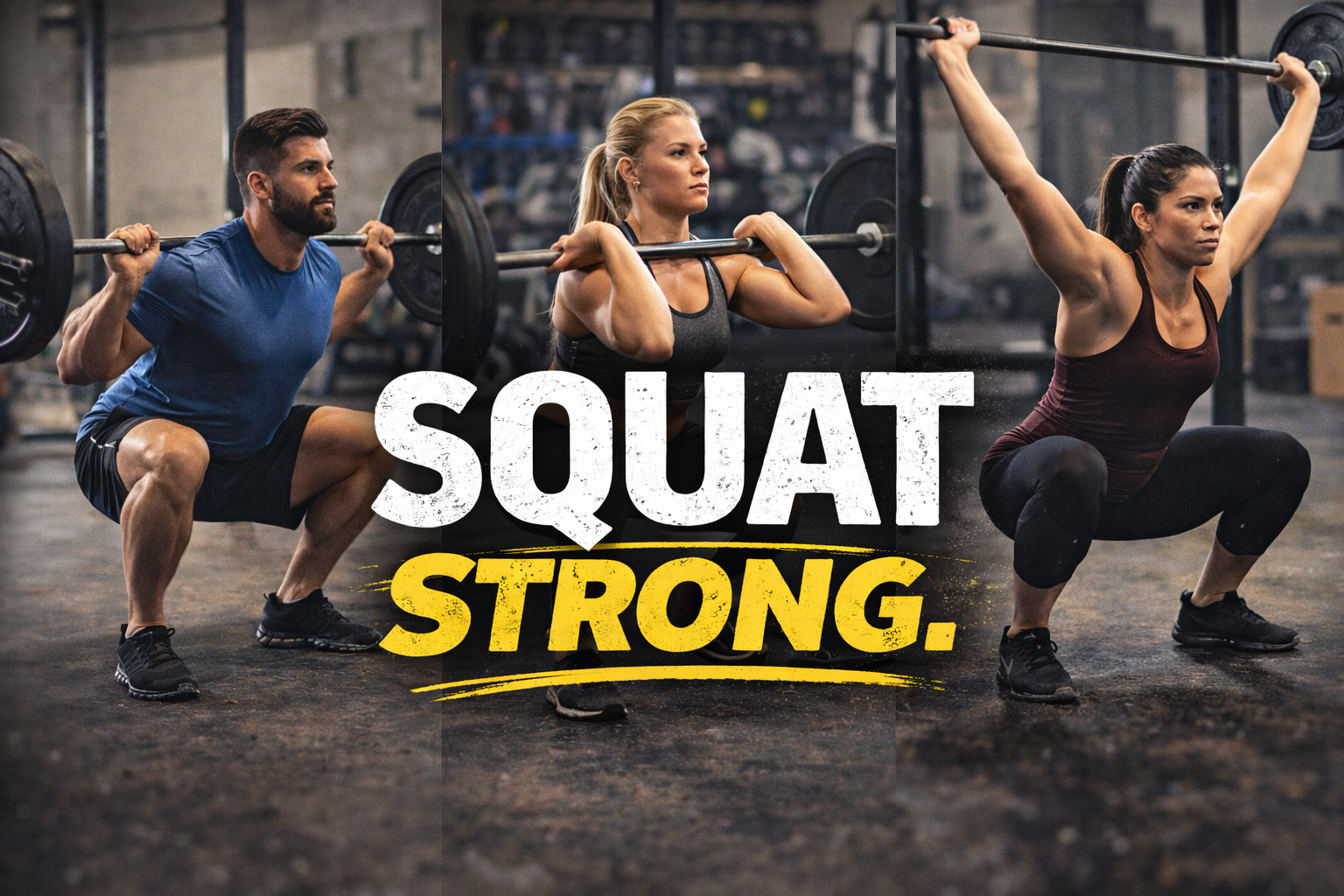
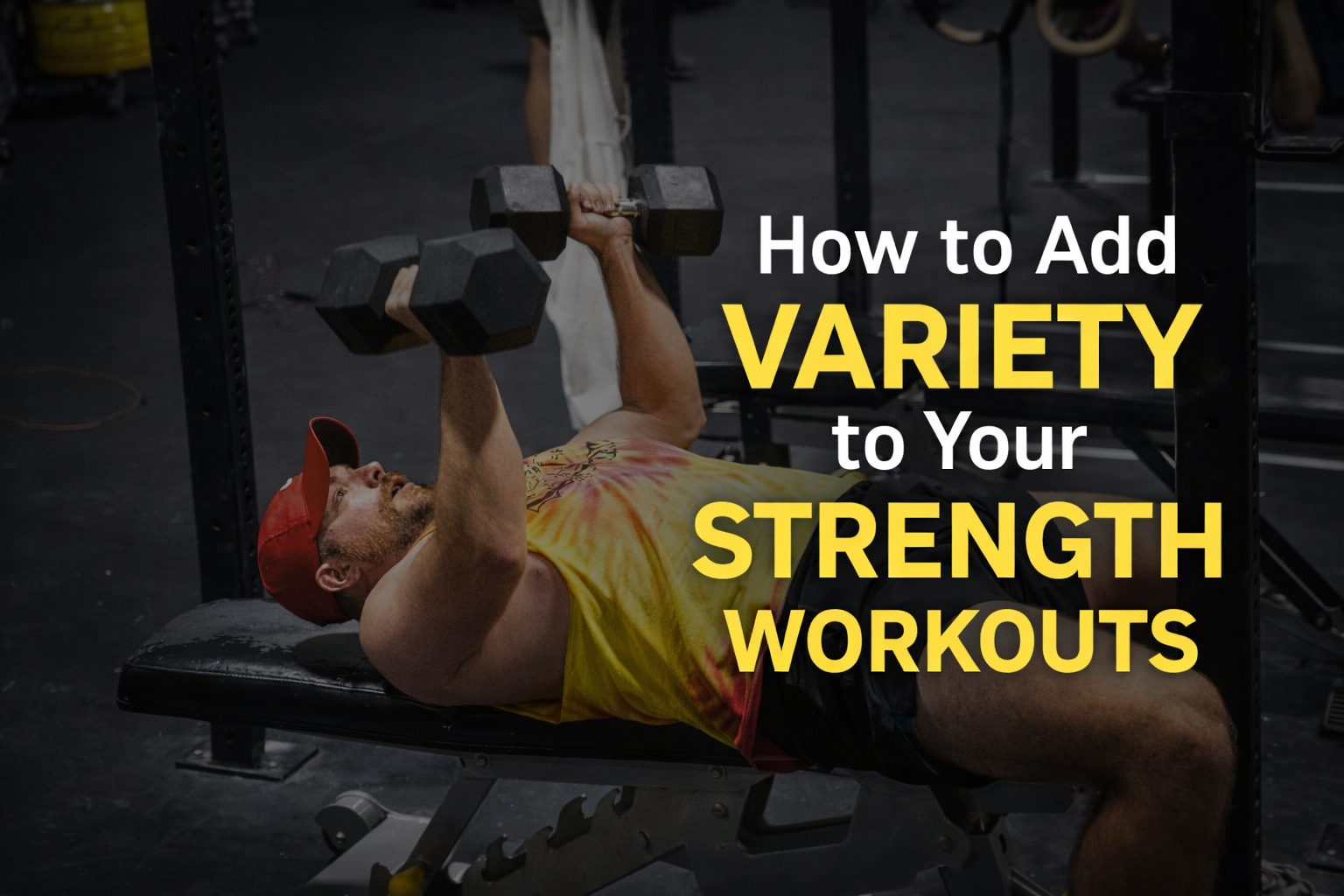
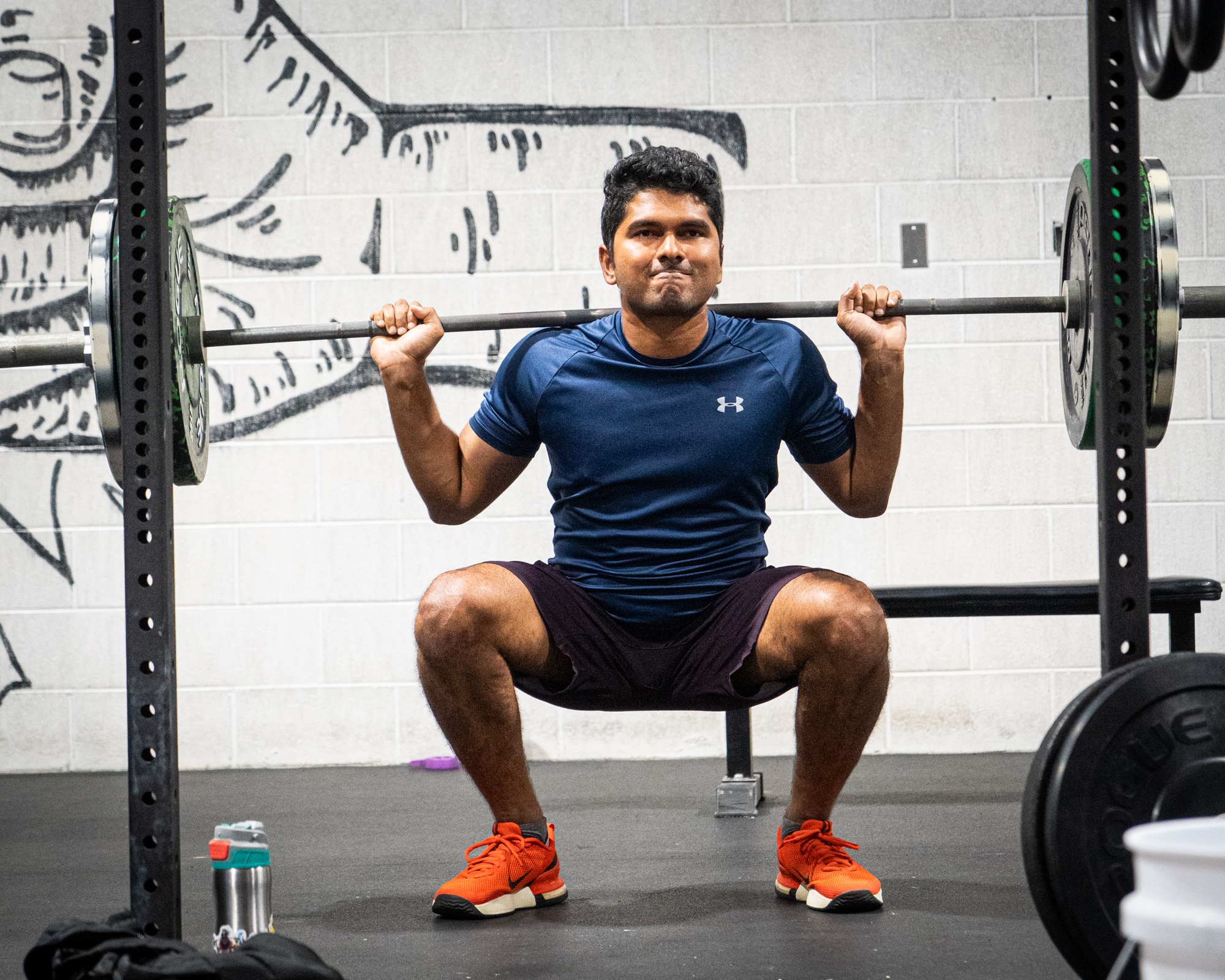
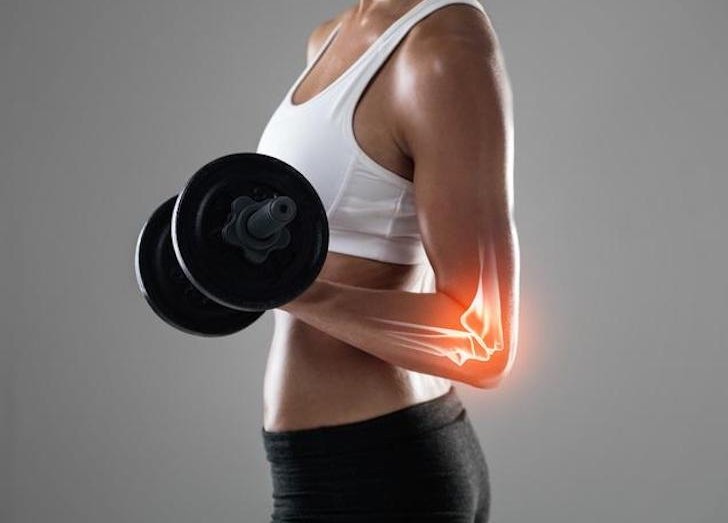
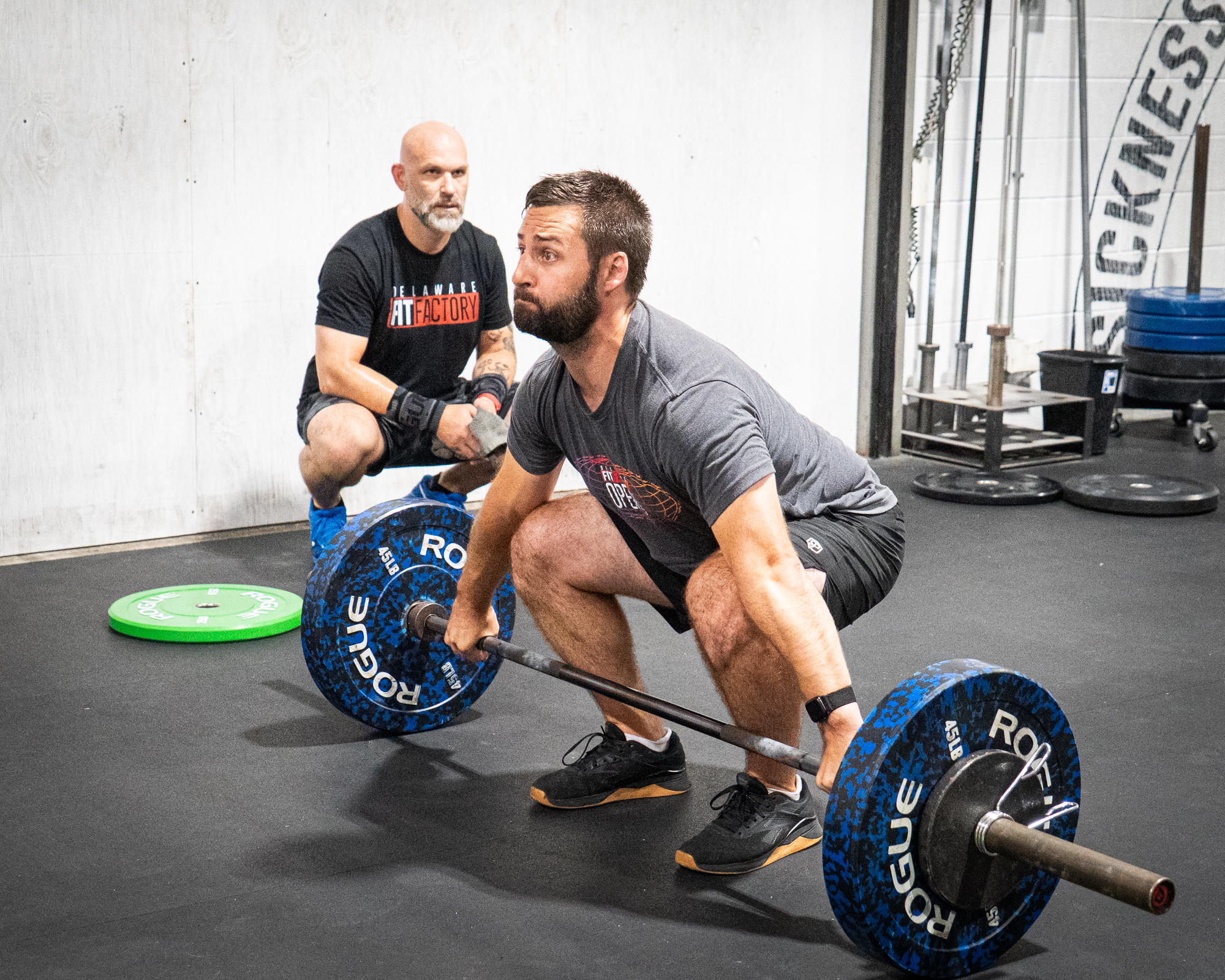
If you want to lose fat without losing muscle, strength training has to be part of your routine.
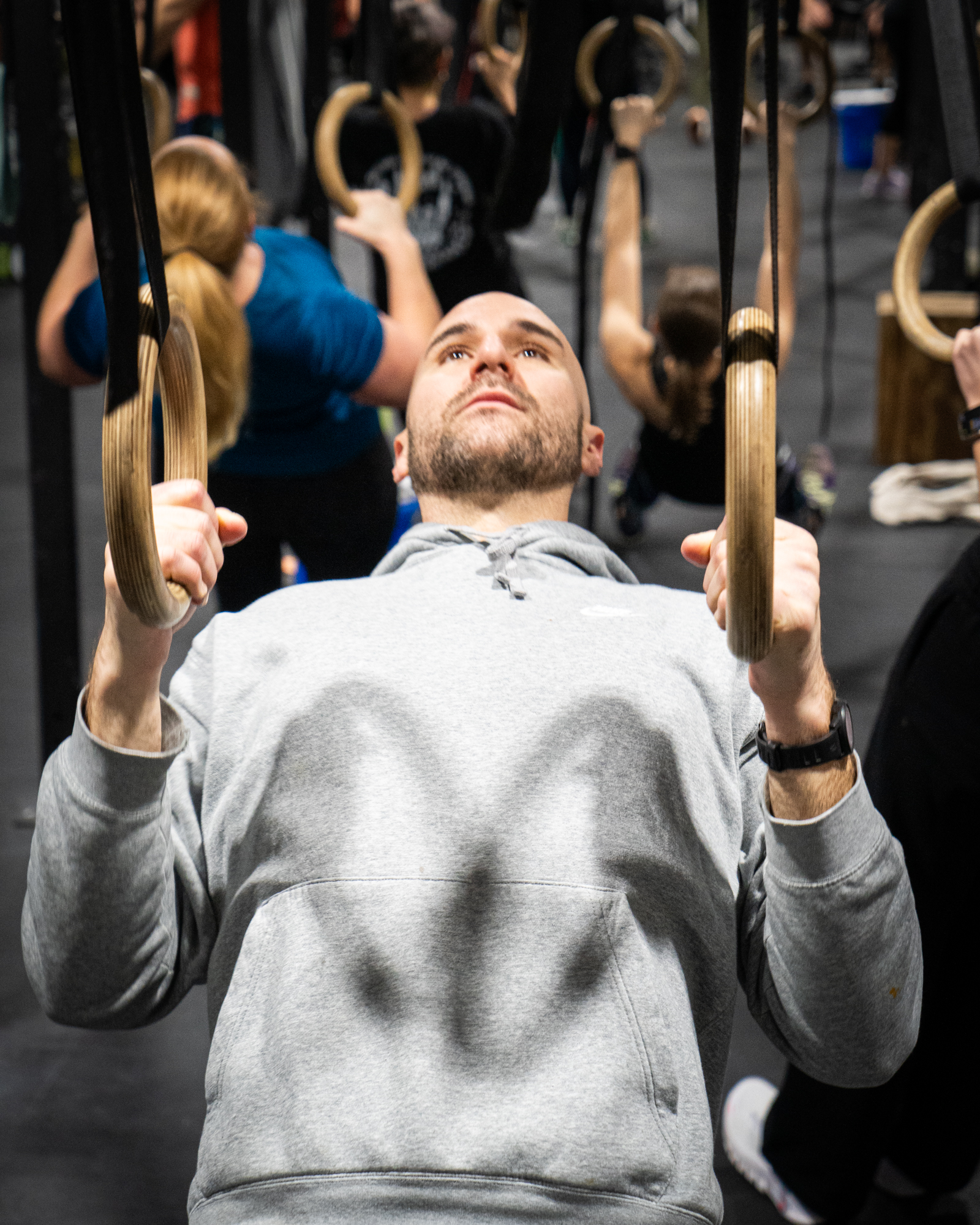
When you lift weights or perform resistance training, you send a signal to your body that the muscle you have is still needed. That stimulus helps preserve muscle mass even while you’re losing body fat.
Strength training also offers several additional benefits:
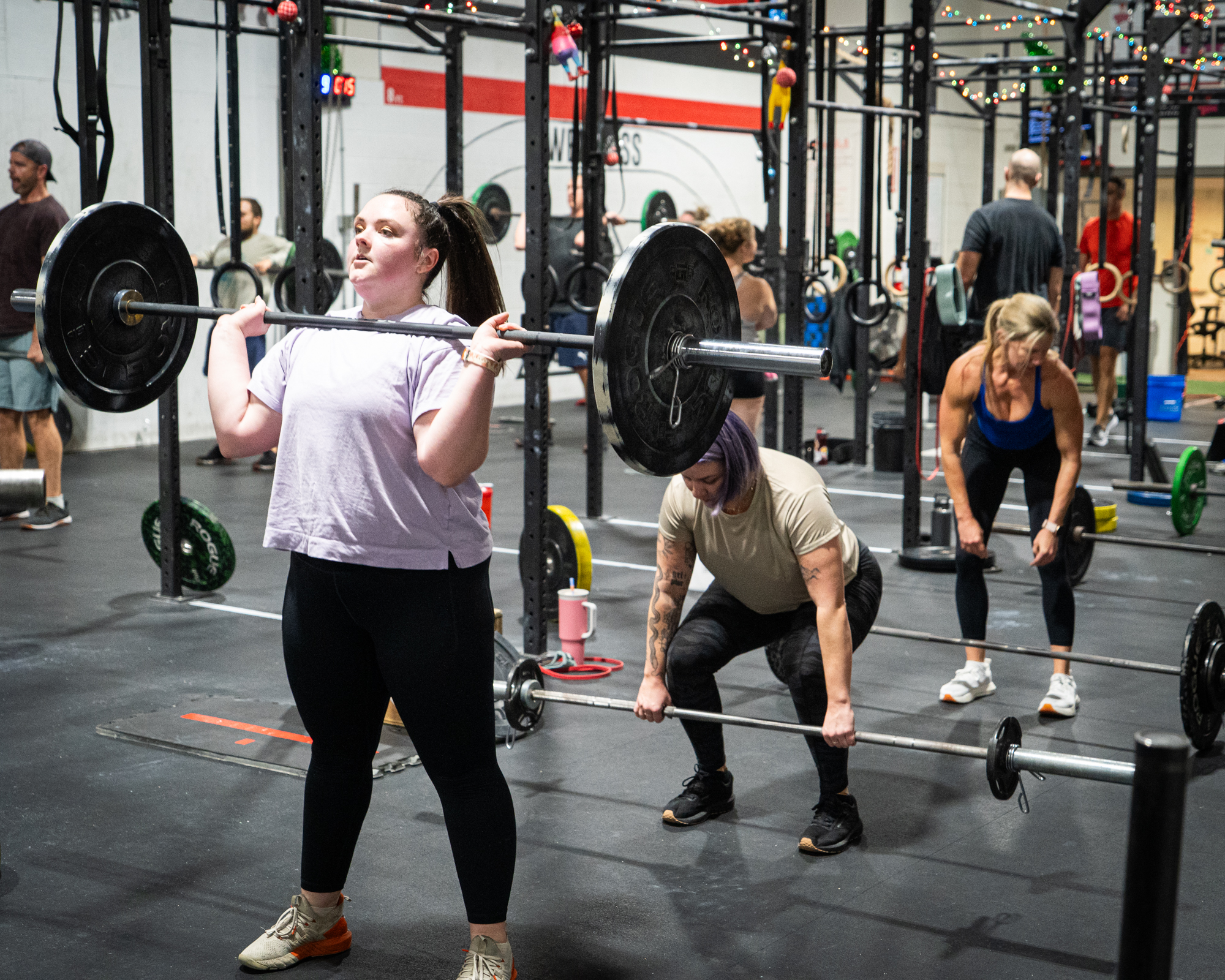
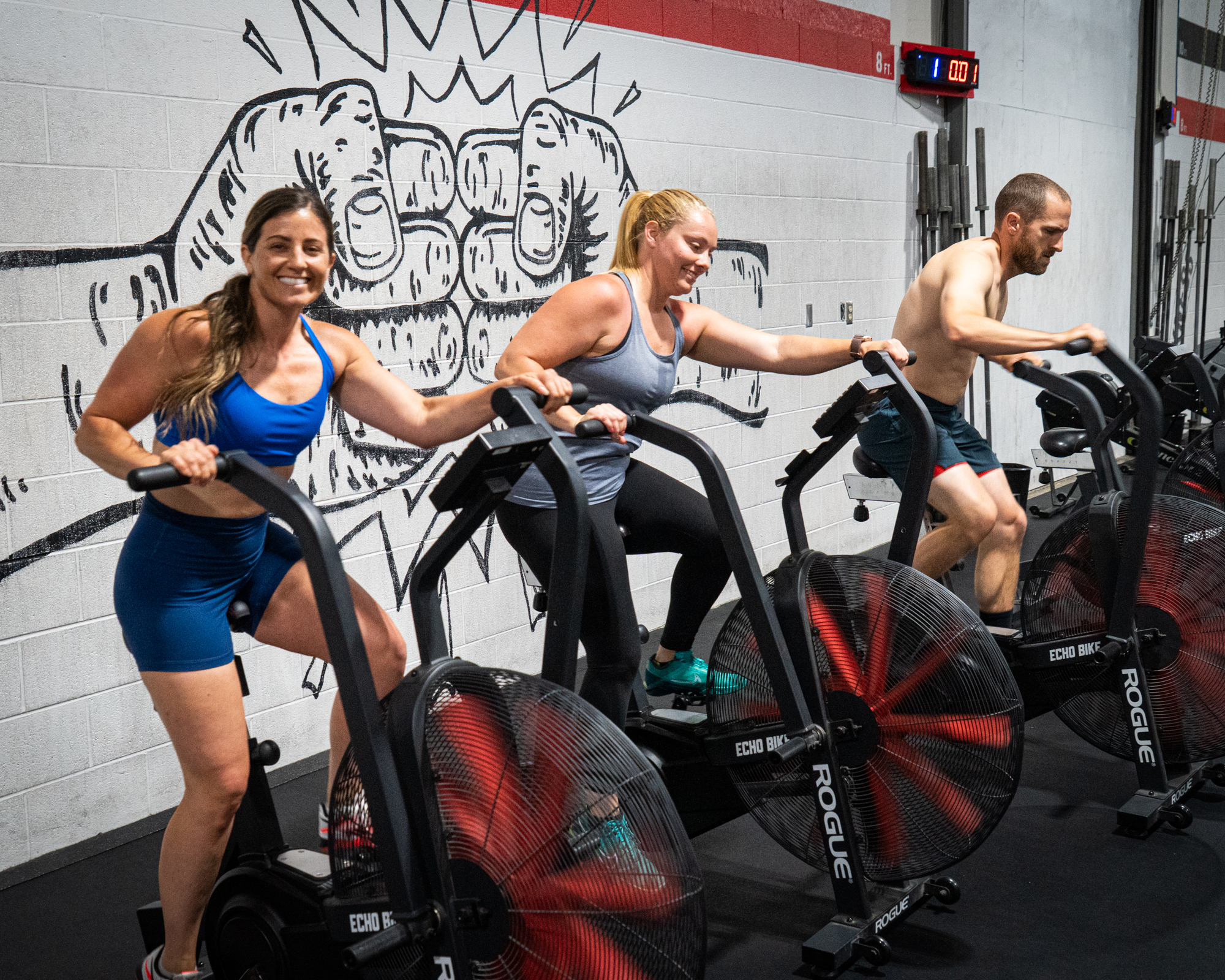
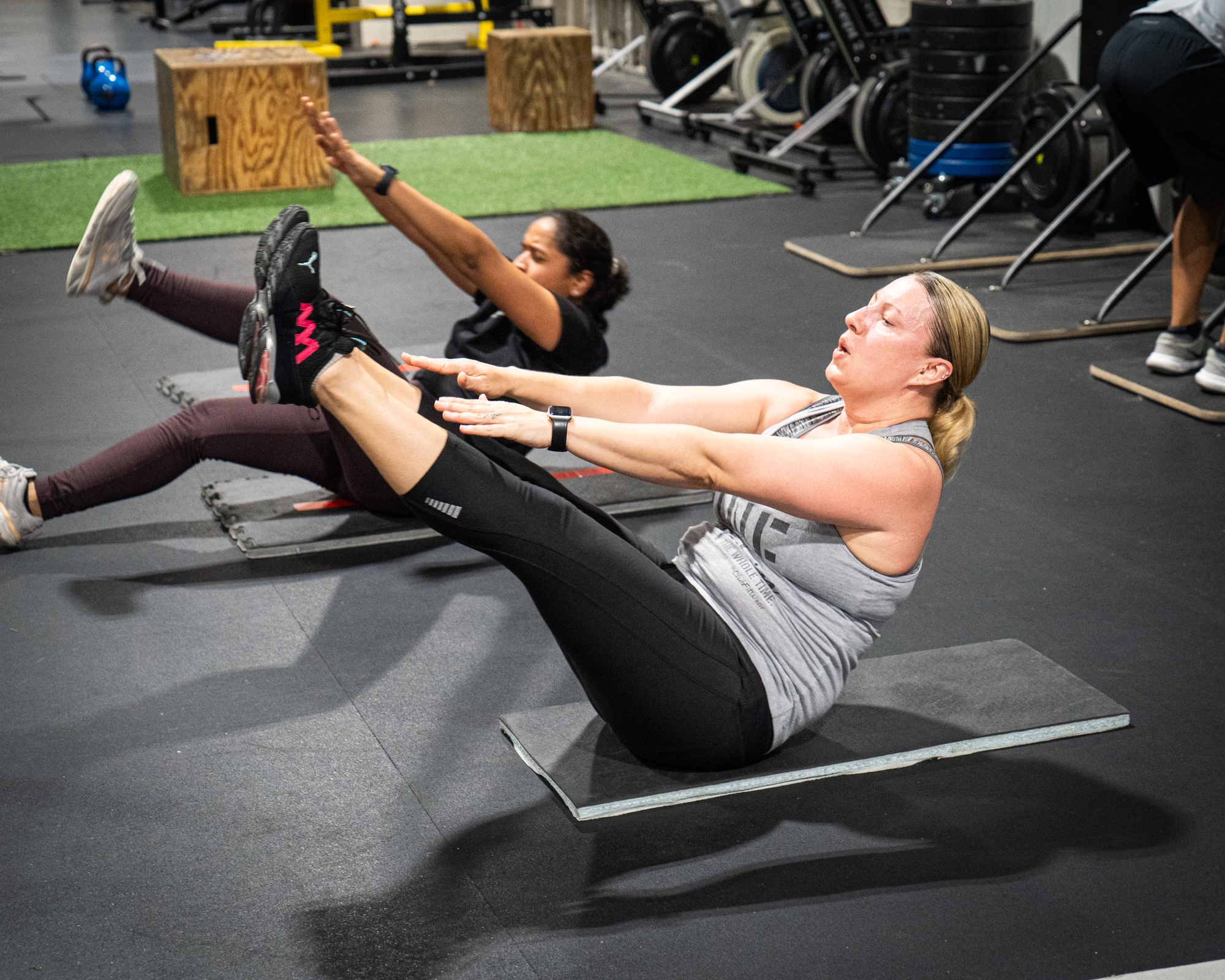
This is one of the reasons functional strength training is such a big part of what we do at Delaware Fit Factory. Our workouts challenge the body in ways that build muscle and improve overall fitness—not just burn calories.
Cardio can be a helpful tool, but strength training is what protects muscle during fat loss.
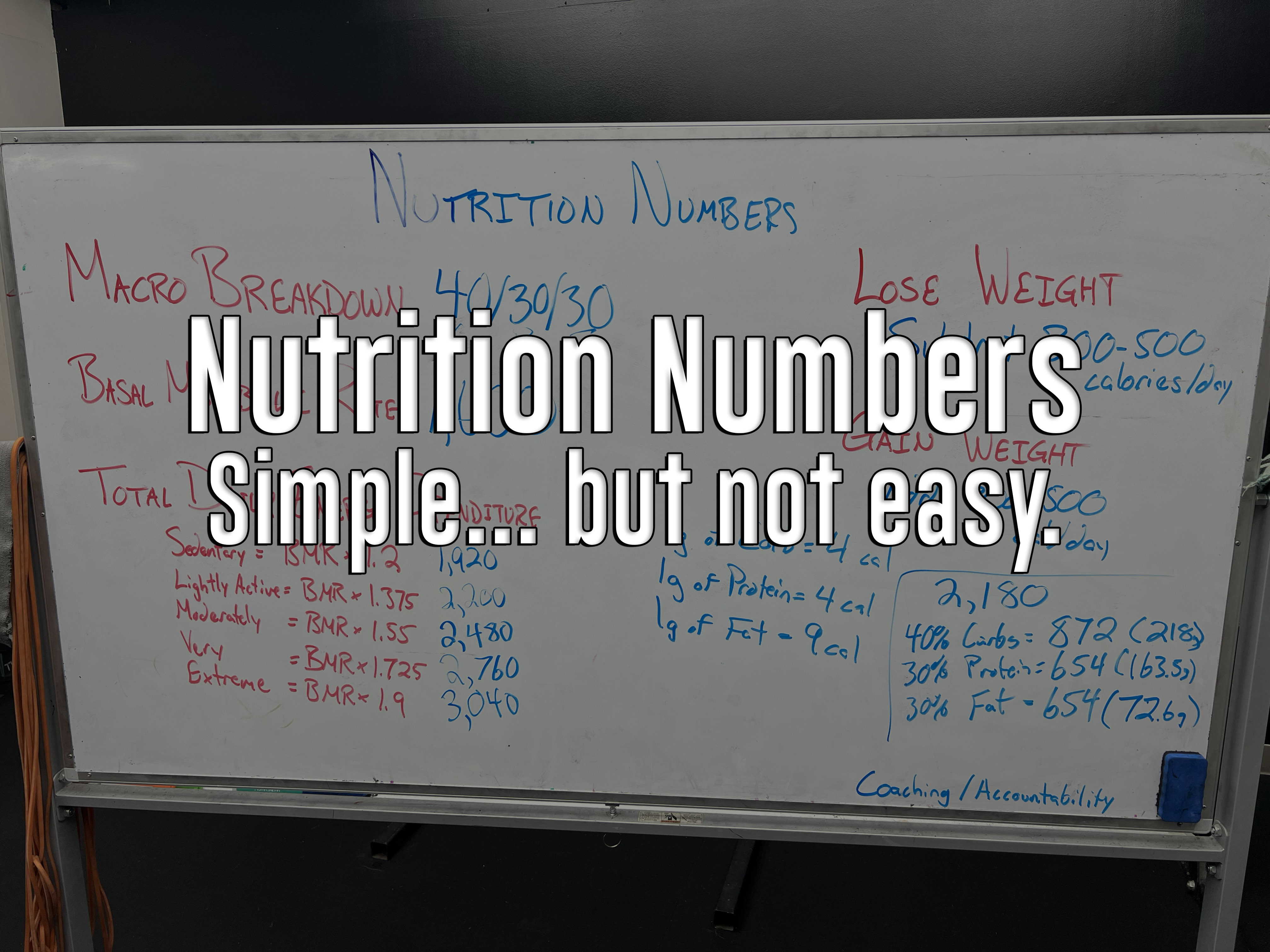
Nutrition plays a major role in preserving muscle while losing fat.
One of the most important nutrients during fat loss is protein.
Protein helps:
Many people trying to lose weight unintentionally eat too little protein, which increases the chances of losing muscle.
While individual needs vary, many active adults benefit from consuming adequate protein with each meal throughout the day.
Instead of relying on highly processed foods, aim for protein sources such as:
When combined with strength training, protein intake helps ensure that the weight you lose comes primarily from body fat rather than muscle.
Another important piece of the puzzle is food quality.
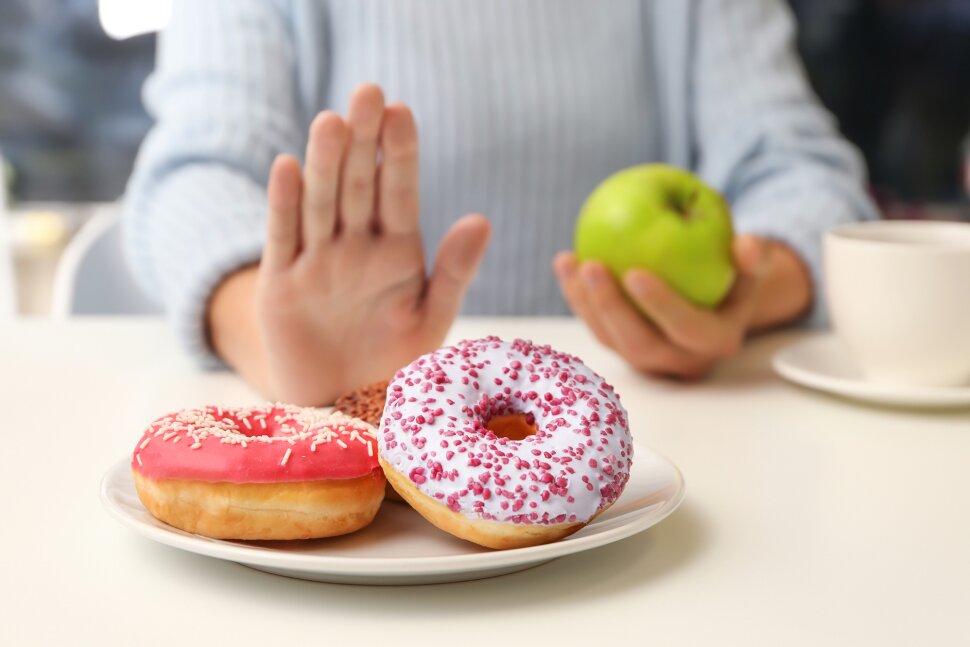
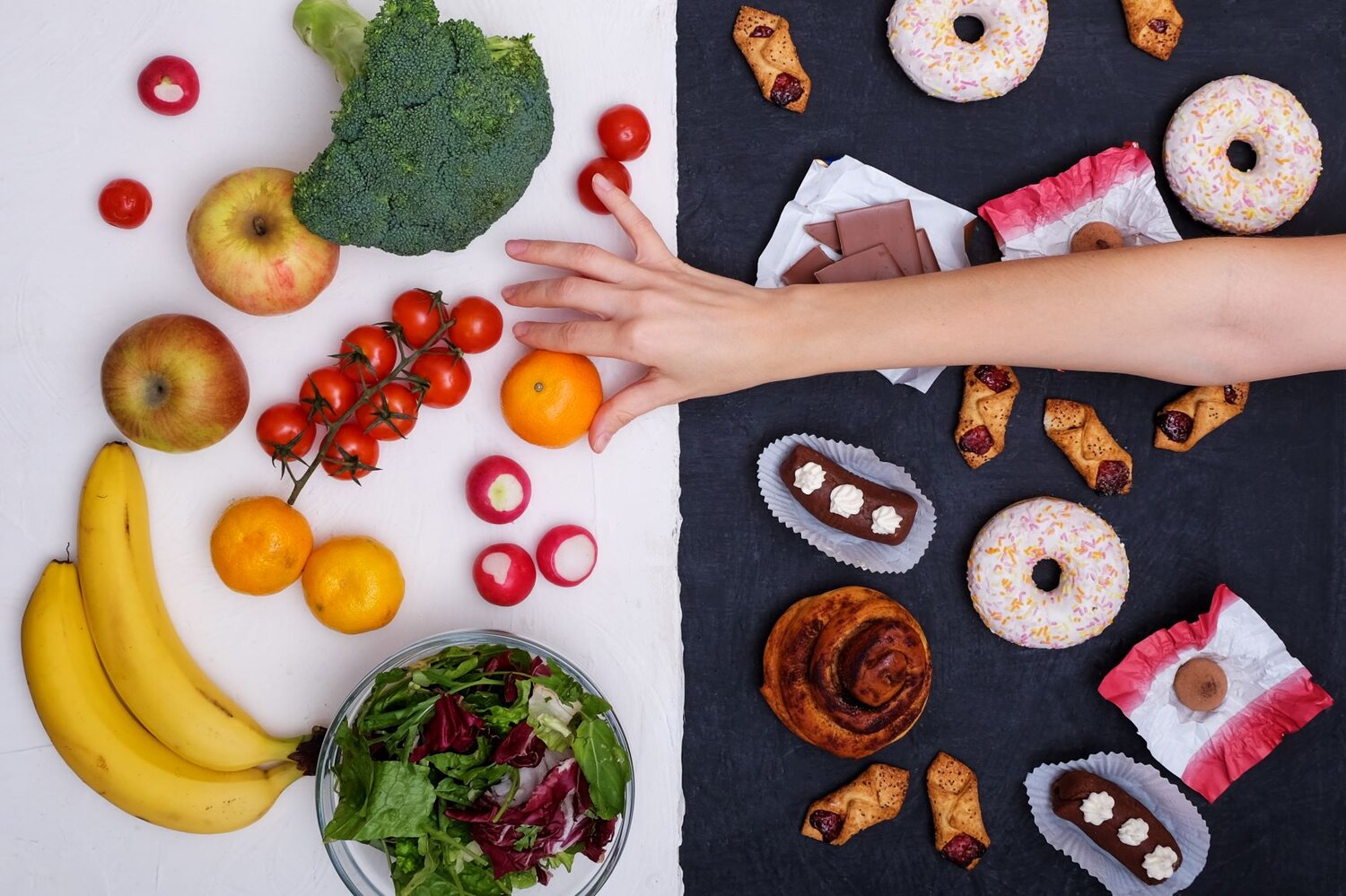
Highly processed foods—especially those high in refined carbohydrates and added sugars—tend to be calorie dense but not very filling. They can make it easy to overeat while providing limited nutritional value. Find replacements for processed foods like:
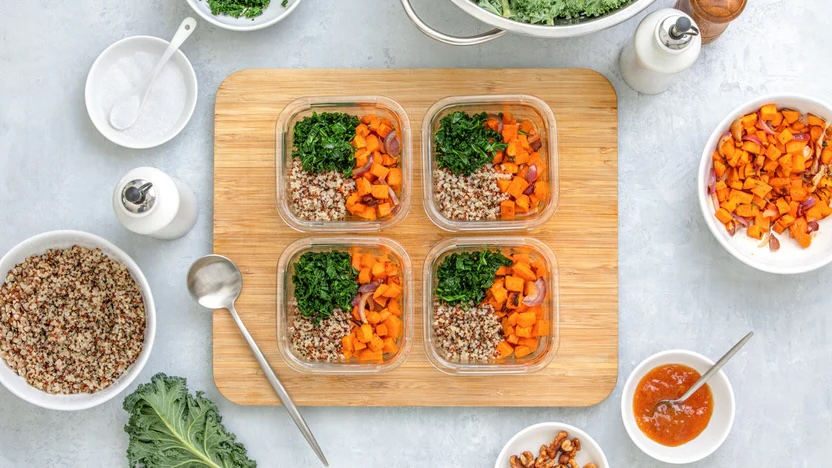
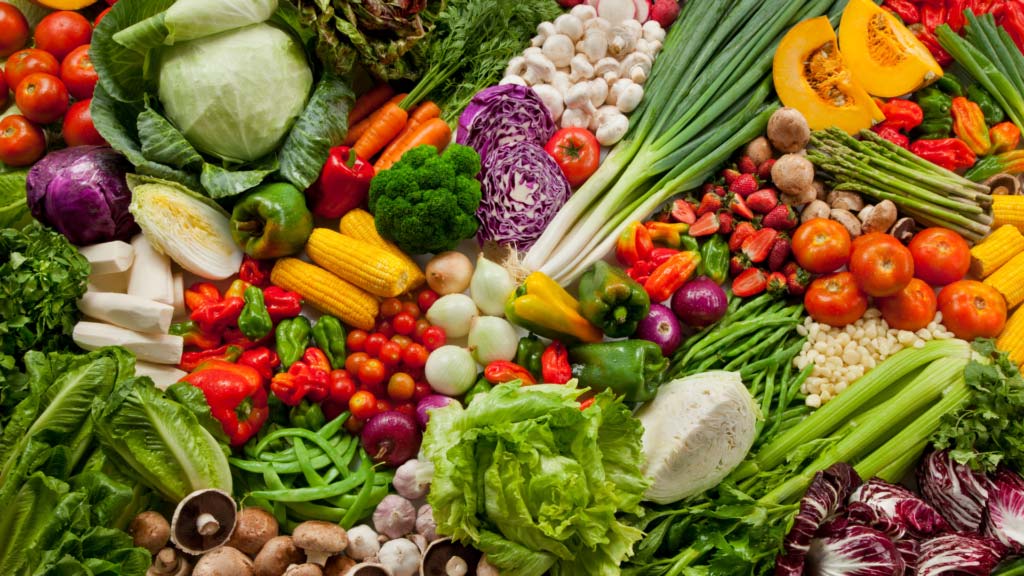
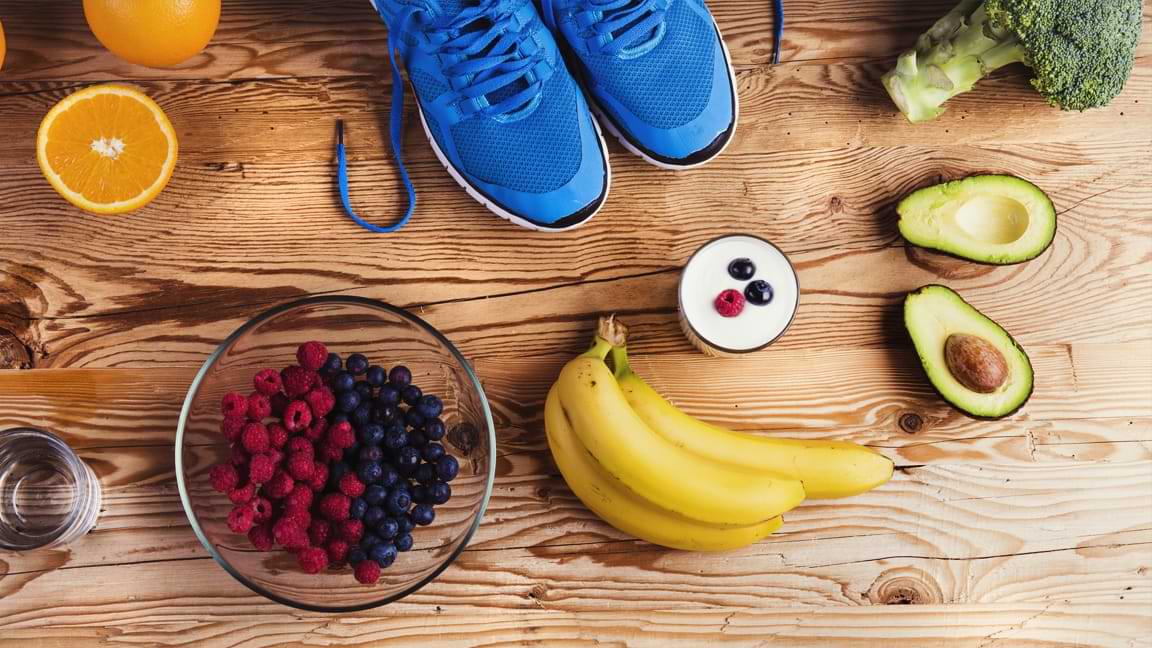
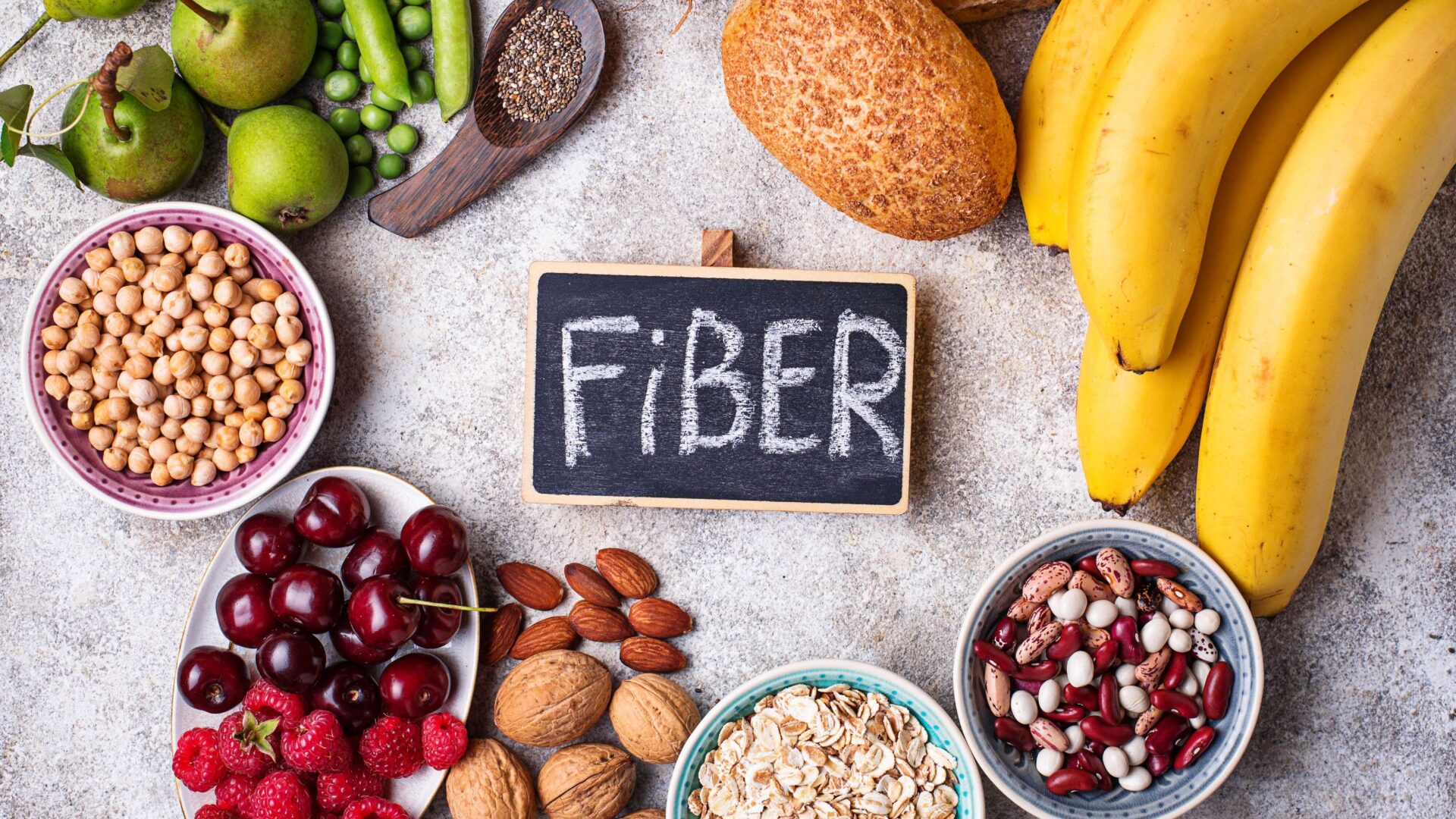
Instead, focus on whole, nutrient-dense foods like:
These foods provide the vitamins, minerals, and energy your body needs to perform well in workouts and recover properly.
Choosing higher-quality foods also helps stabilize energy levels, making it easier to stay consistent with both training and nutrition.
Perhaps the most important factor in losing body fat while maintaining muscle is consistency.
Crash diets and extreme approaches might produce rapid changes on the scale, but those changes rarely last. In fact, quick drops in weight are often followed by quick rebounds.
Sustainable body fat loss happens gradually through:
Progress may be slower than some programs promise, but it’s also far more sustainable.
Remember, the goal isn’t just to lose weight for a few weeks.
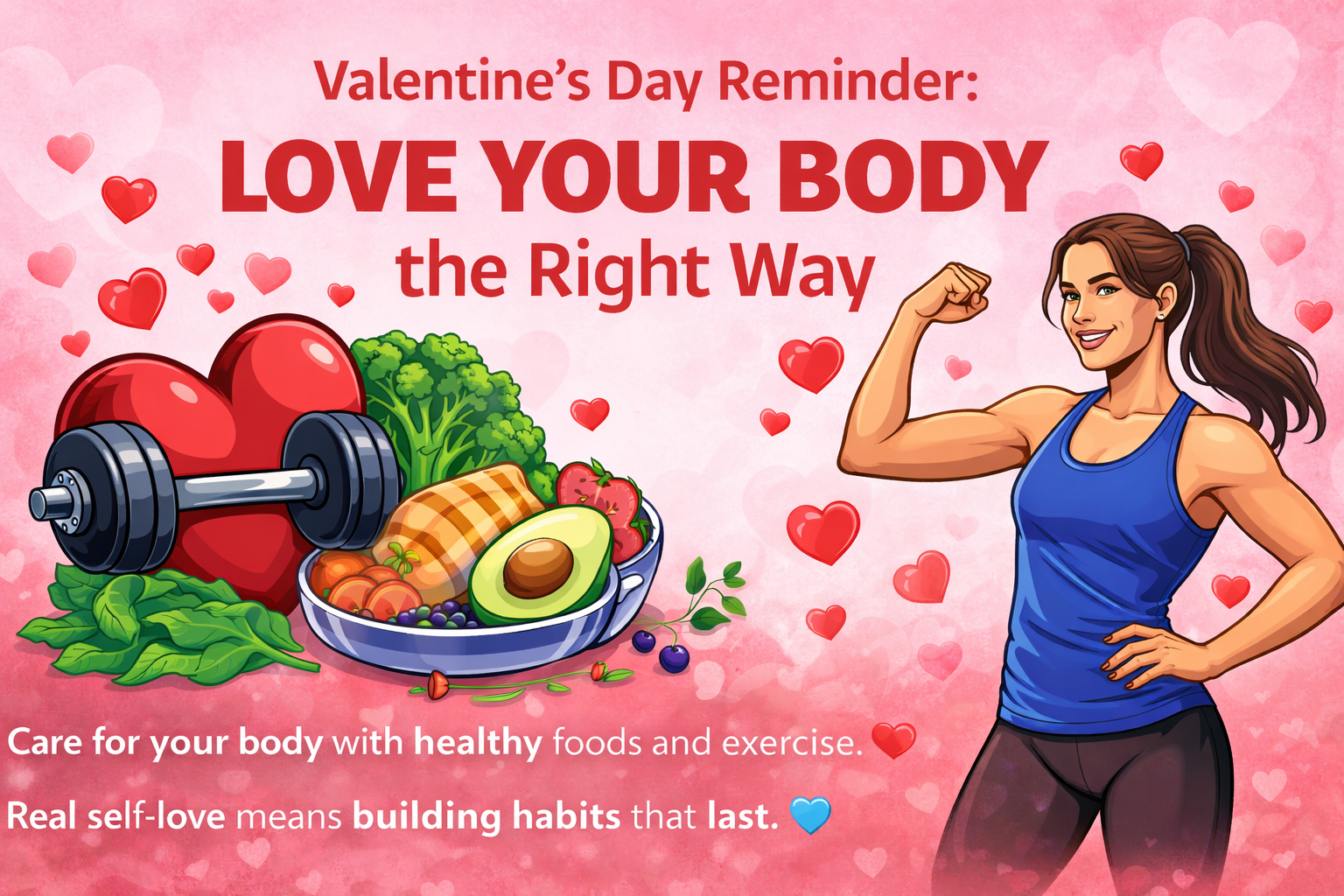
The goal is to build habits that support your health for years and decades to come.
The best fitness and nutrition strategies are the ones you can maintain long-term.
Strength training helps preserve muscle.
Protein supports recovery and satiety.
Whole foods fuel performance and health.
Consistency drives progress.
When those elements come together, fat loss becomes a byproduct of a healthy lifestyle—not a temporary project.
The ultimate goal is longevity: building a body that is strong, capable, and resilient for the long haul.
If you stay consistent with training, prioritize quality nutrition, and focus on sustainable habits, body fat will decrease—and your strength, confidence, and health will continue to grow.
That’s the kind of progress that lasts. 💪