
🎙️ Listen on SPOTIFY or APPLE PODCASTS 🎙️
If your workout says “8 reps at 70%,” the percentage is referring to your one-rep max (1RM), the most weight you can lift for a single rep. Plenty of us don’t know our true 1RM, and that's ok! Here are 3 tips to find out or to land on a number you can actually use.
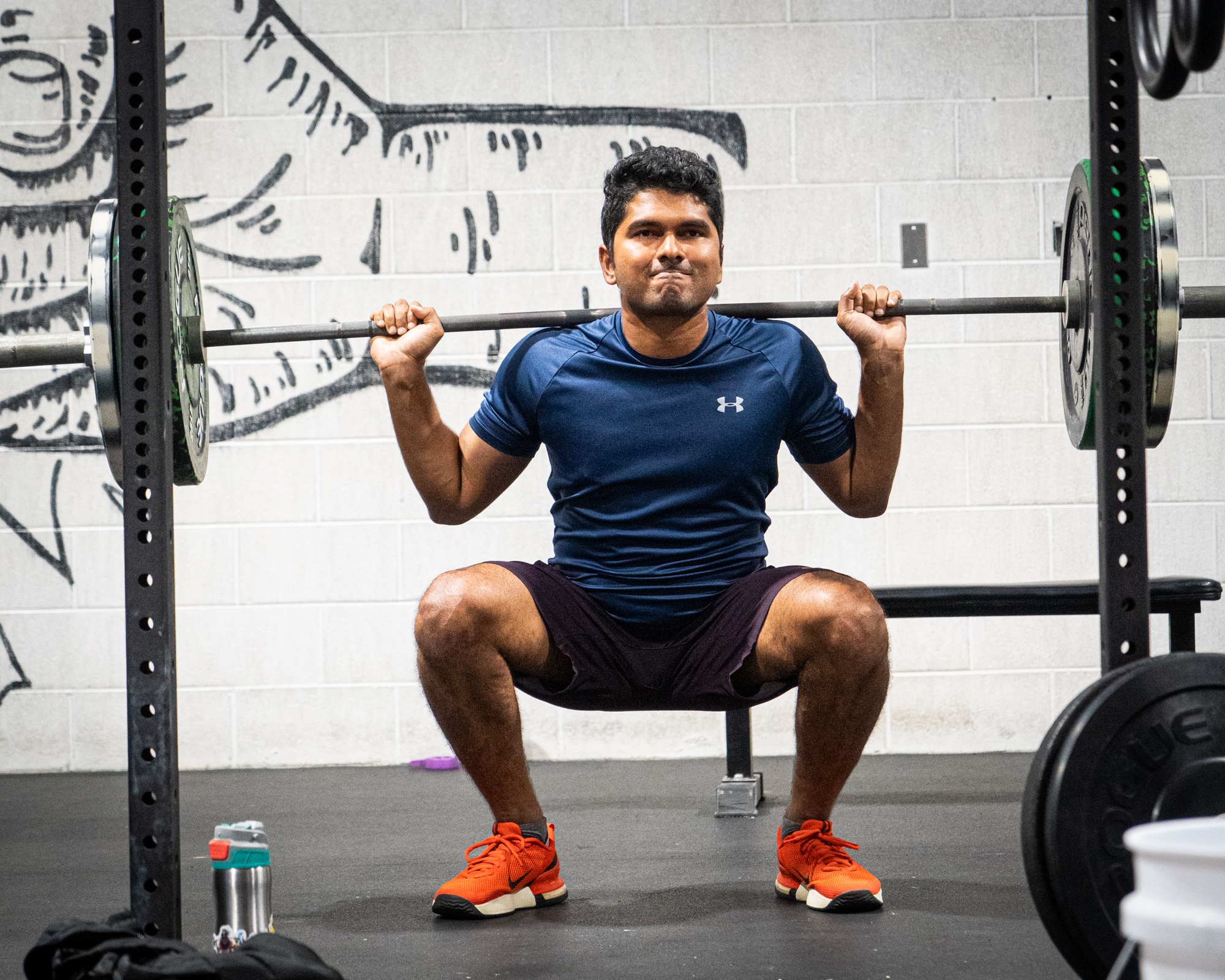
Competitive powerlifters and strongman athletes, maybe. For most people, and most DFF members are in their 30s or older, probably not. What you do need is a good sense of what a heavy rep feels like, so a strength cycle can be loaded properly. Heavy is not only relative to the individual (ie: his heavy reps will look different from her heavy reps), heavy can feel different from day to day and week to week. The idea is to have a GENERAL idea that can sway a little bit.
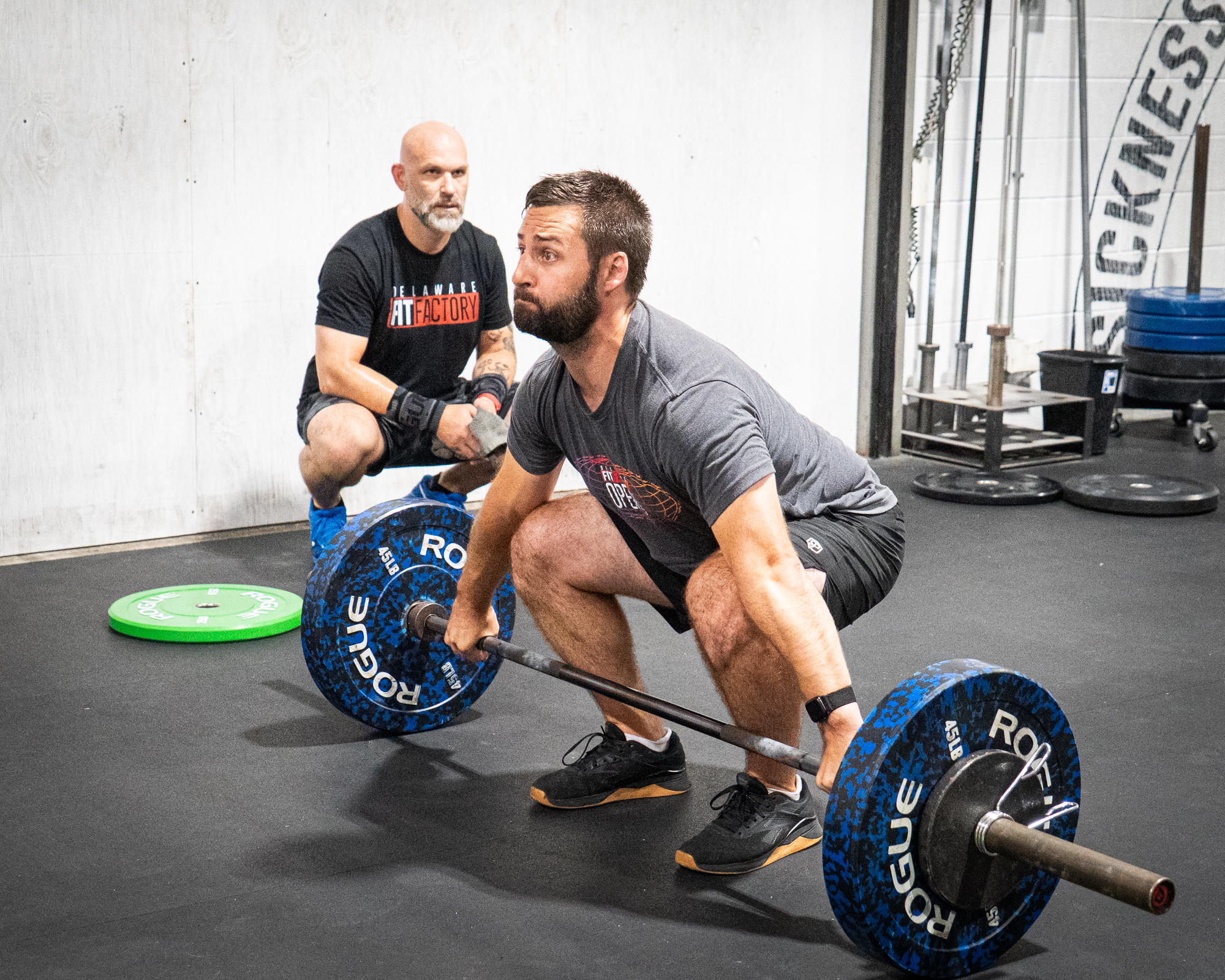
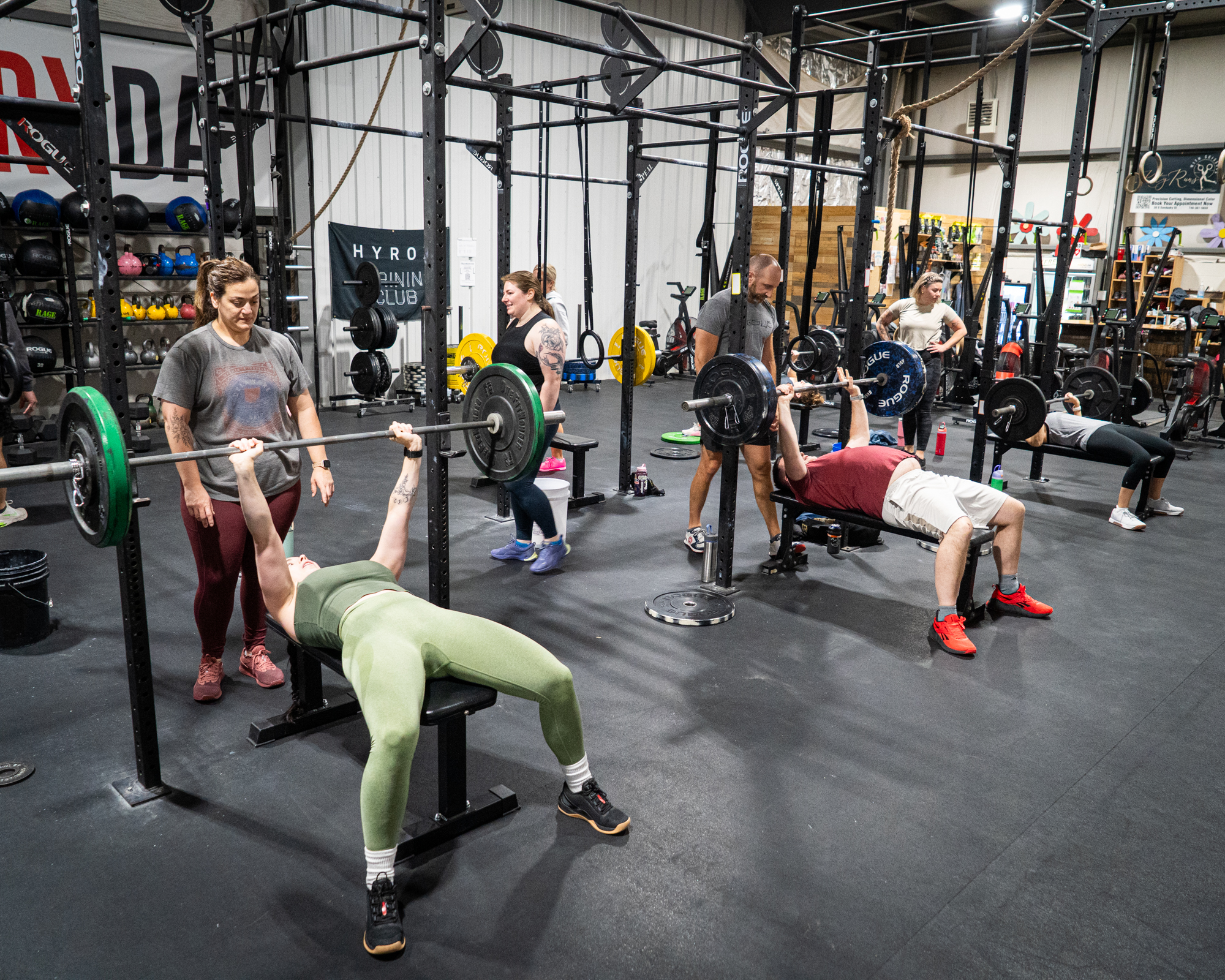
This is the most direct route: add weight until you can’t lift any more. But do it with a coach. A personal training session can guide you through estimated jumps, a set number of attempts, and a timed window, which you won’t get doing it on your own.
From time to time DFF’s strength cycles don't open with testing days, deadlifts especially. Ego gets involved (“what’s the heaviest thing I can pick up?”), form tends to fall apart, and if you haven’t been training heavy pulls, your muscles, tendons, and joints may not be ready for that much stress.
Find a really challenging set of five reps. A 5-rep max is about 87% of your 1RM, according to the NSCA loading chart. The math is simple:
weight lifted × 100 ÷ 87 = estimated 1RM
For example, 135 lb for five reps works out to roughly 155 lb, give or take. Treat it as a ballpark. Some people are stronger at heavy singles and others at higher reps, so everyone’s a little different.
If you’d rather skip the numbers entirely, use the RPE scale (rate of perceived exertion). It runs from 1 to 10, loosely matching 10% to 100% effort:
This one takes honesty. You have to hang your ego up at the door and listen to your body. At the top end, lean on your coach to watch your form.
Log your workouts, especially barbell strength work. Over three to four years, we'll see big jumps in numbers, for example 20–30 lb on bench, 15–20 lb on strict press, and around 50 lb on deadlift. In six months to a year, though, they don’t change THAT much. So a number from earlier this year is still a solid starting point.
You can test it, estimate it, or go by feel. If you’re not sure which to try, the estimate and RPE methods put far less stress on your body, so start there. And if you want to test it the right way, grab a coach.