
🎙️Listen To The Episode on The Fit Frequency🎙️
Protein is the buzzword of the moment. It's in popcorn, chips, cereal, even a "protein salad." This stuff always had protein in it. The label is new, but the need isn't.
Why protein matters, whatever your goal
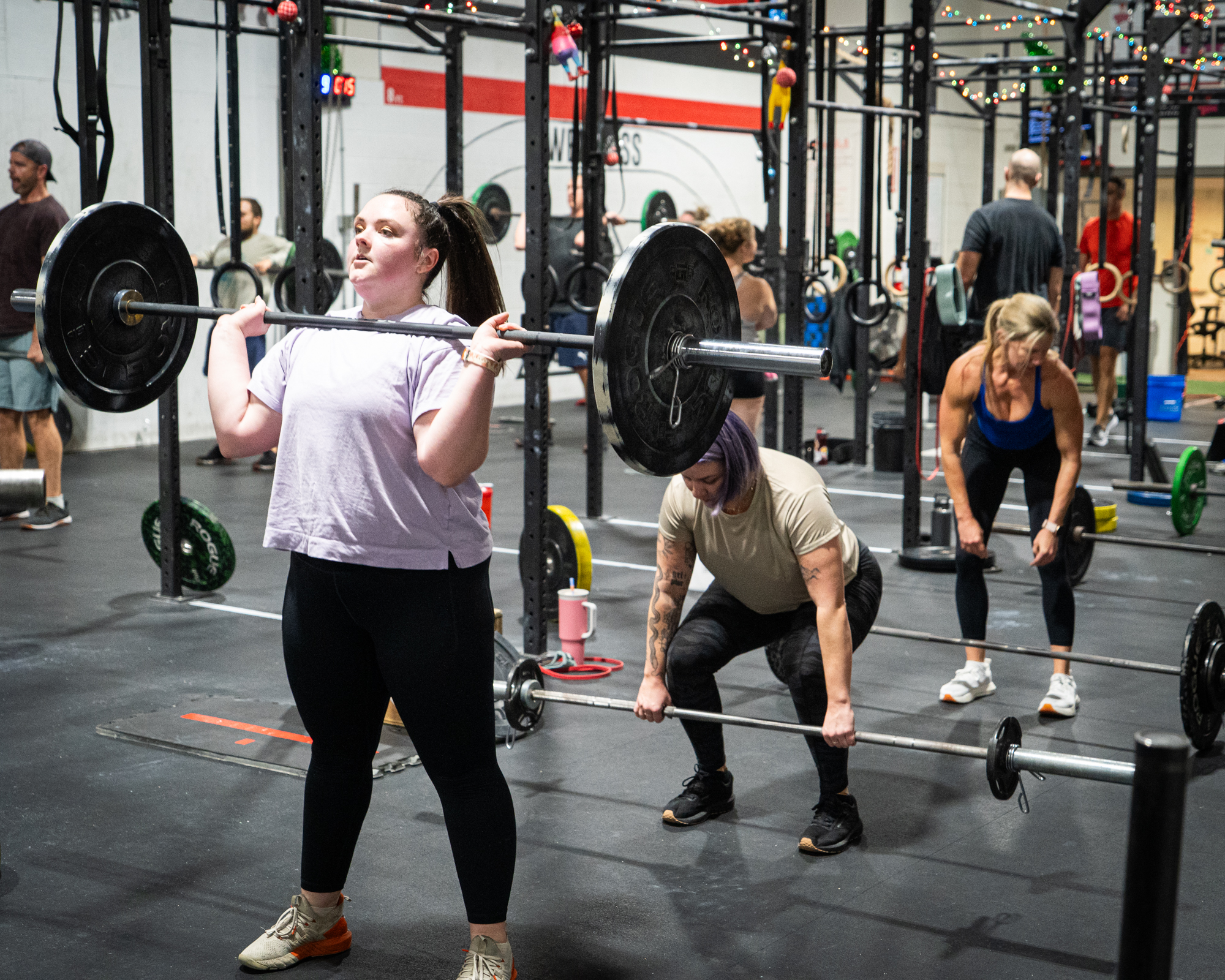
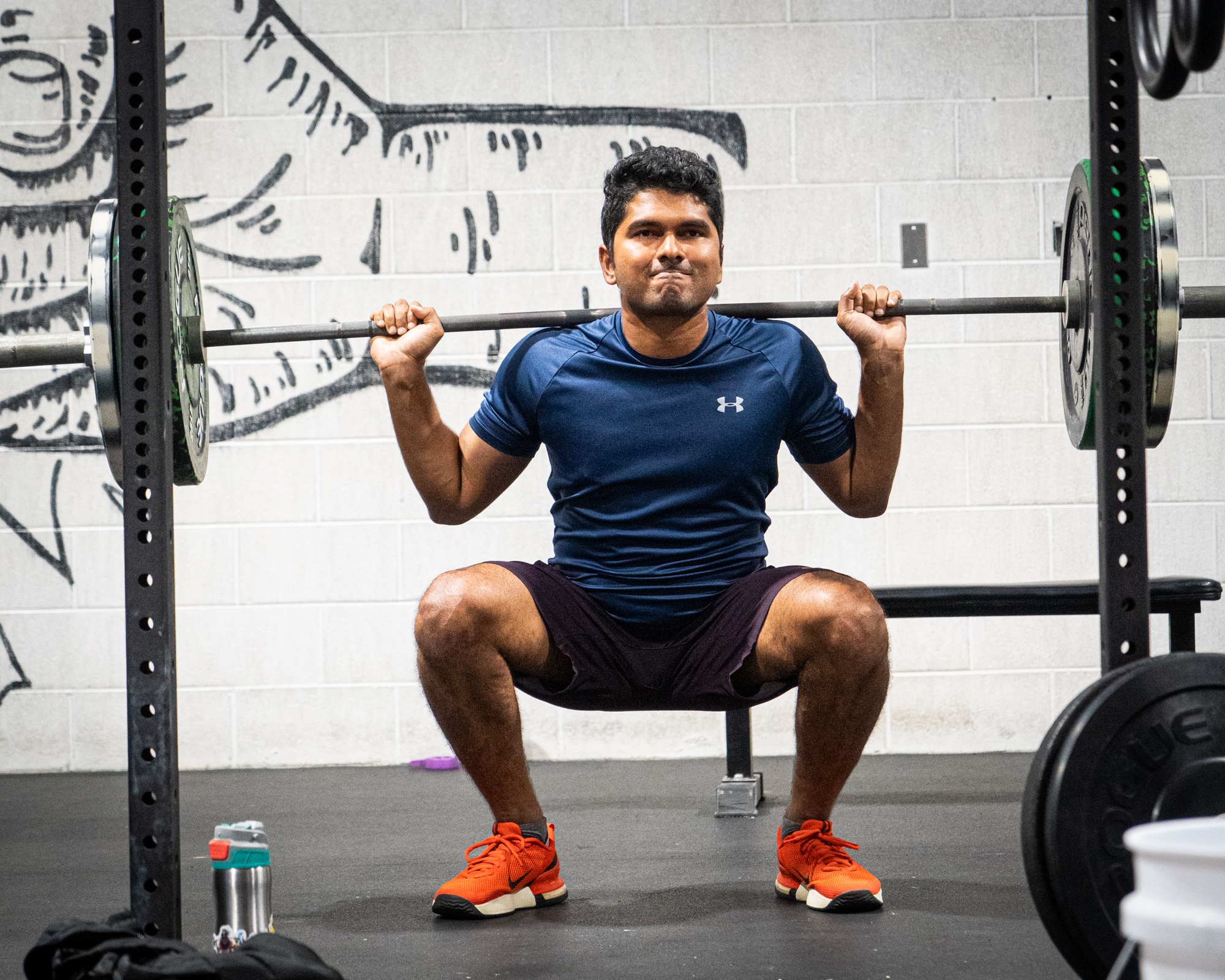
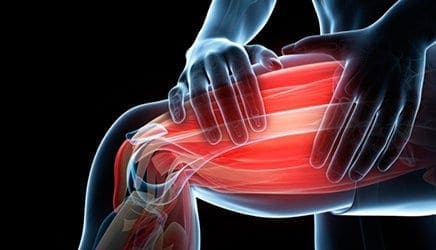
When you strength train, you create tiny micro-tears in your muscles. Protein is what your body uses to repair them and rebuild them stronger. If you're trying to lose weight, it's also what helps you hold on to the muscle you already have. Either way, it's worth paying attention to.
How much do you need?
Recommendations vary depending on who you ask. Sources like RP Strength and Dr. Mike Israetel go deep on the science. For people who strength train, the range runs from roughly 0.7 to 1.2 grams per pound of body weight, depending on your size and goals.
The simple version is to aim for about 1 gram of protein per pound of body weight. Weigh 150? Aim for 150 grams. If you're trying to lose weight, go a little under, and if you're trying to build muscle or gain weight, go a little over.
If you have kidney concerns or a doctor has given you a protein limit, follow their guidance first.
Three tips for actually hitting your number
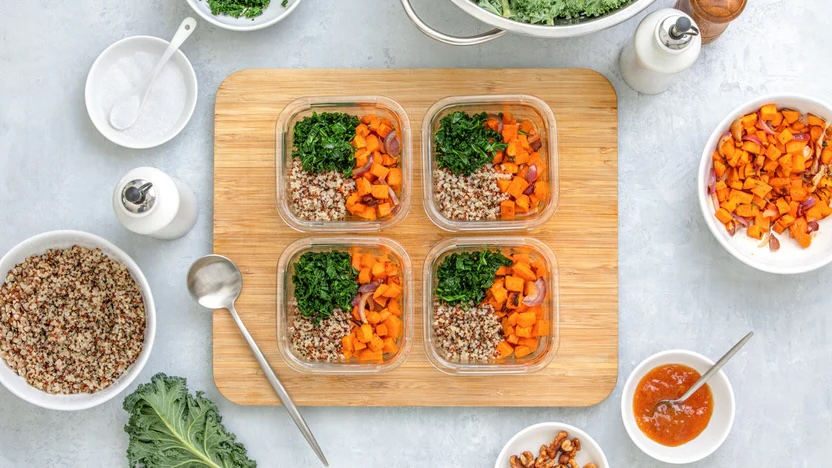
DFF owner Doug is working to put on weight right now, and his daily target is well over 200 grams. He says it isn't a struggle once these three habits are in place:
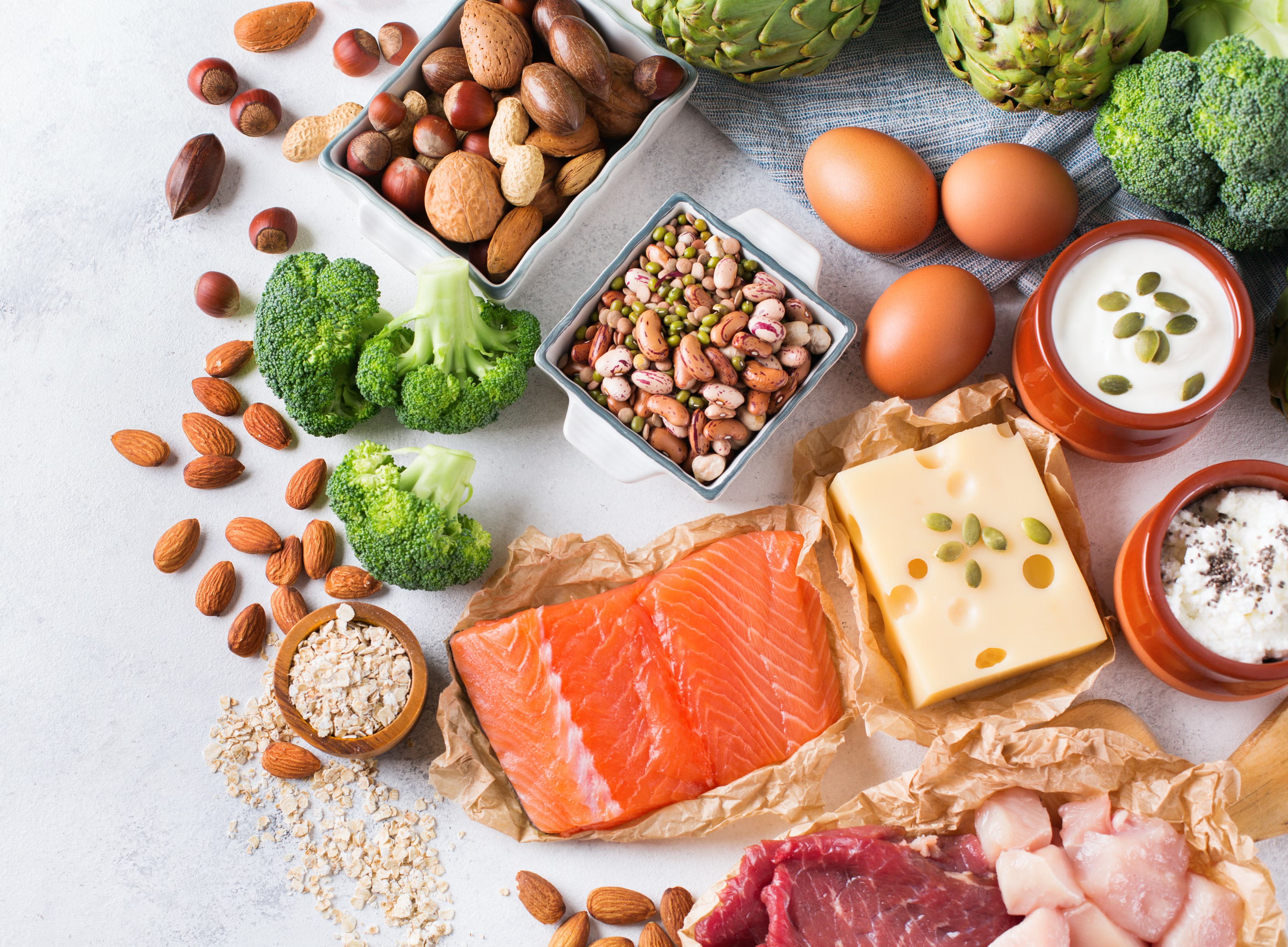
Doug's go-to foods
His top three are always in the fridge:
Honorable mentions:
The bottom line
Aim for about a gram per pound, get protein at every meal and snack, and pick sources where protein is the main event.